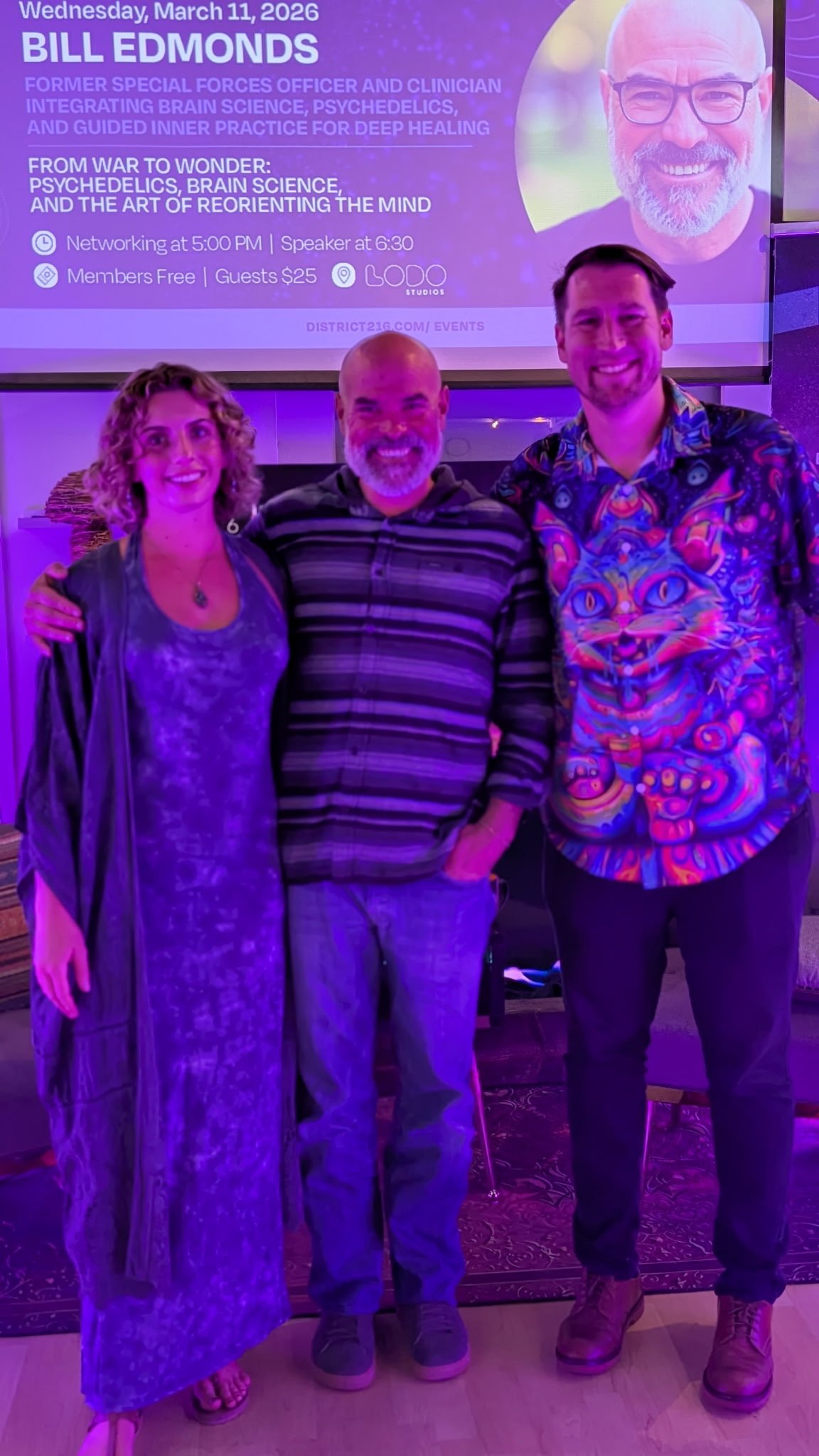
The Battlefield Within: Bill Edmonds on Healing, the Present Moment, and the Science of Coming Home
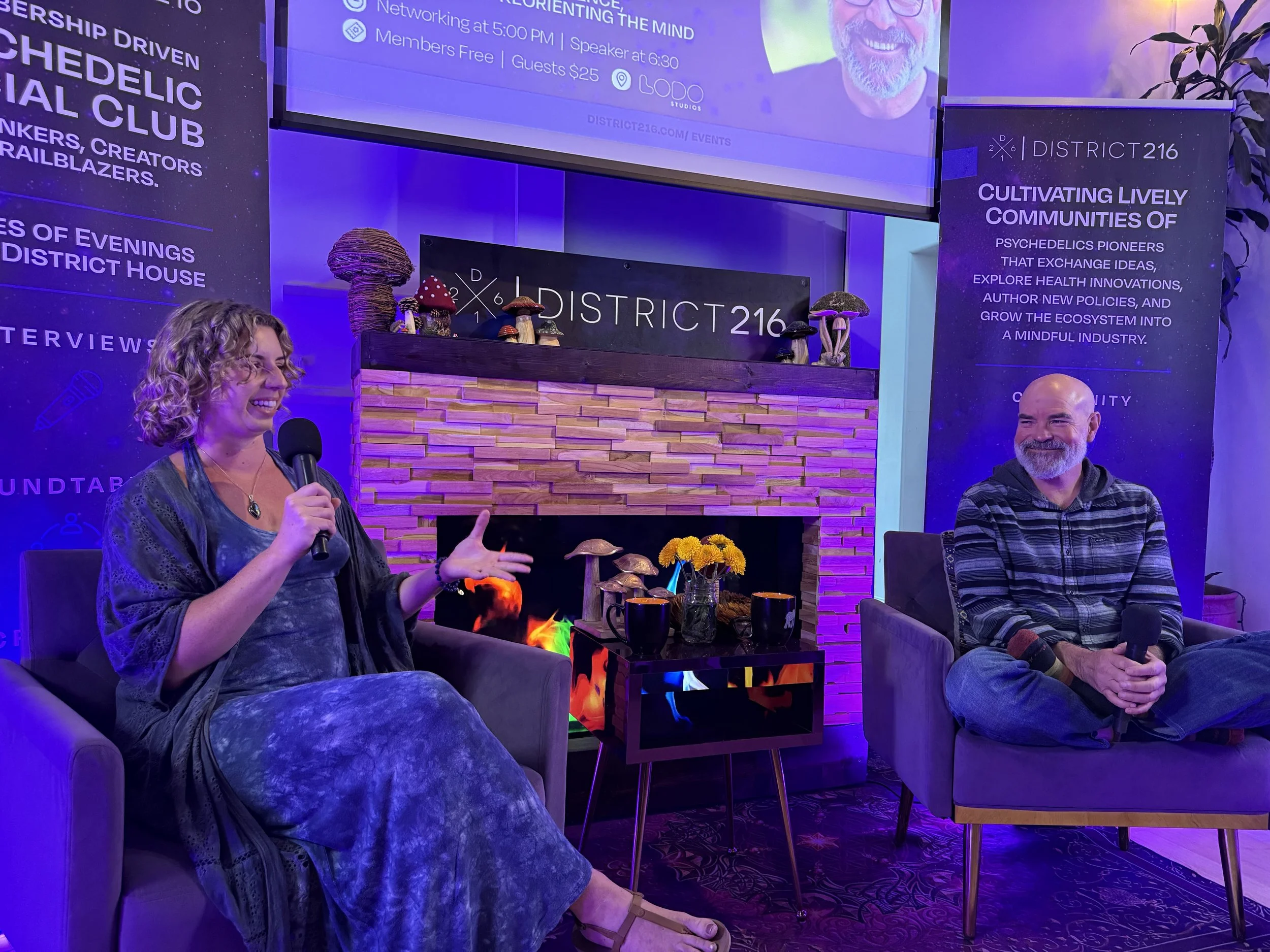
Most of us have never been to war. But most of us know what it feels like to be at war with a memory that won't let go, a fear of what's coming, or a version of ourselves we're still trying to outrun. Bill Edmonds has been on both kinds of battlefield. And after three decades in Special Forces across Iraq, Afghanistan, Syria, and beyond, he'll tell you plainly: the inner one is harder.
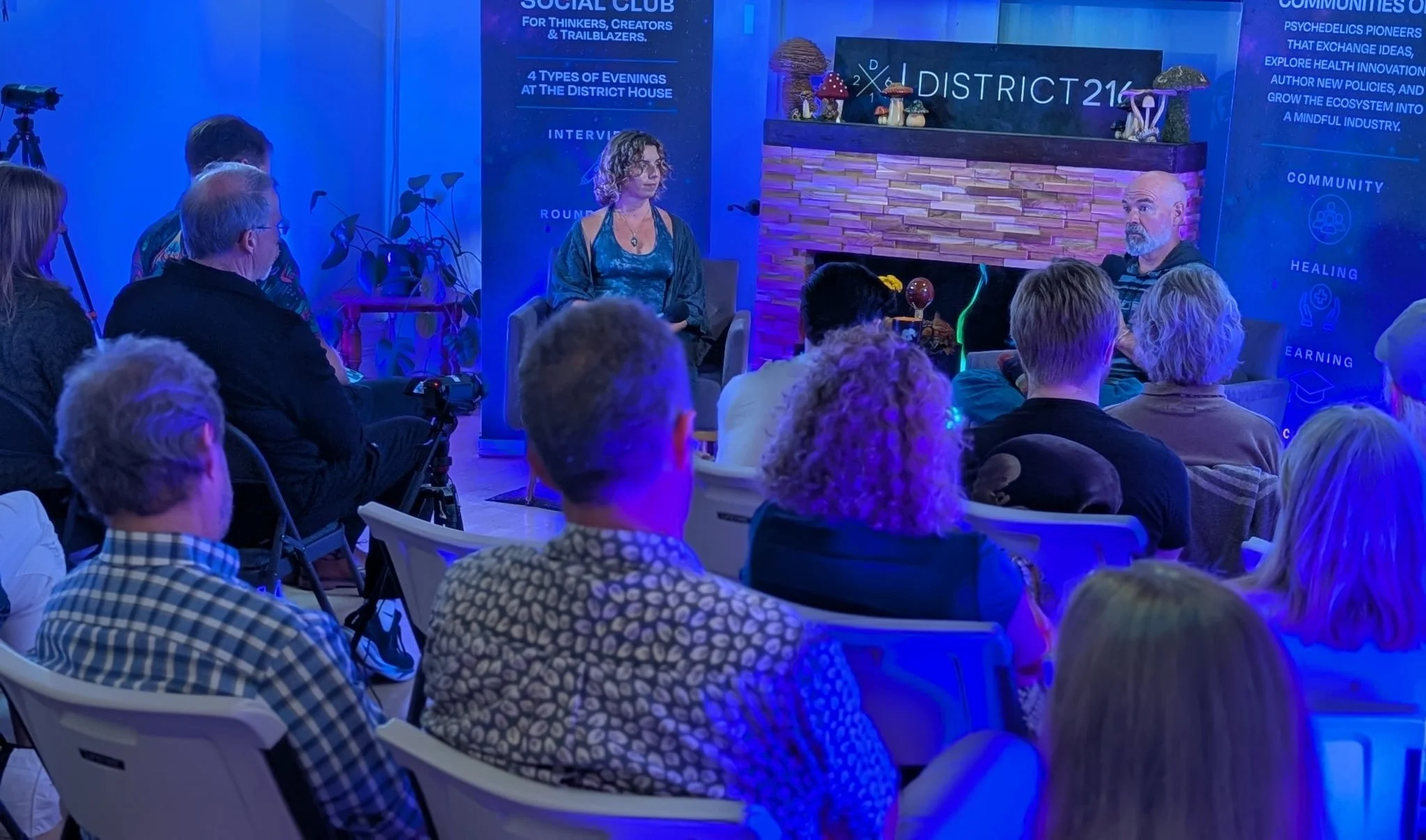
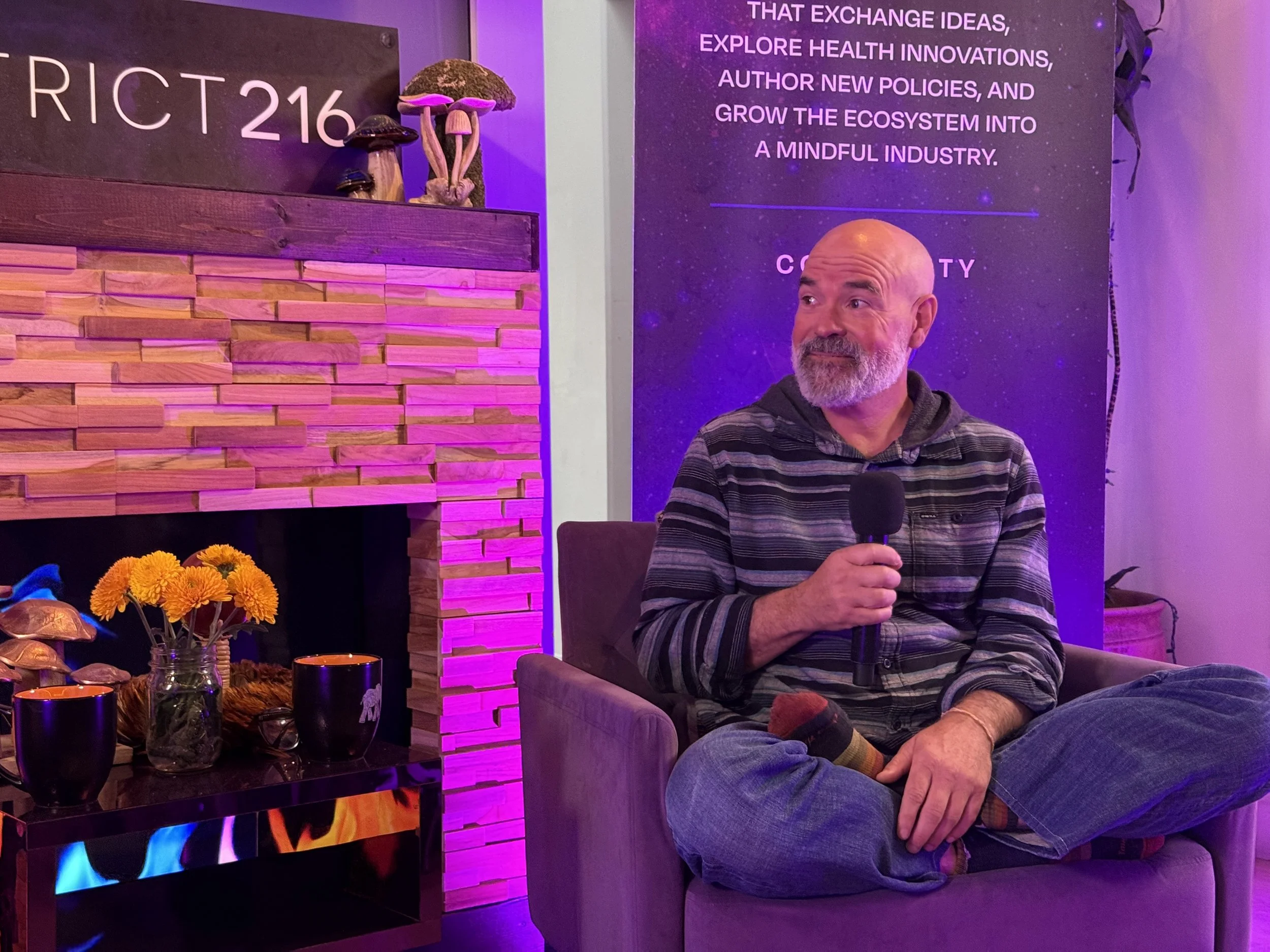
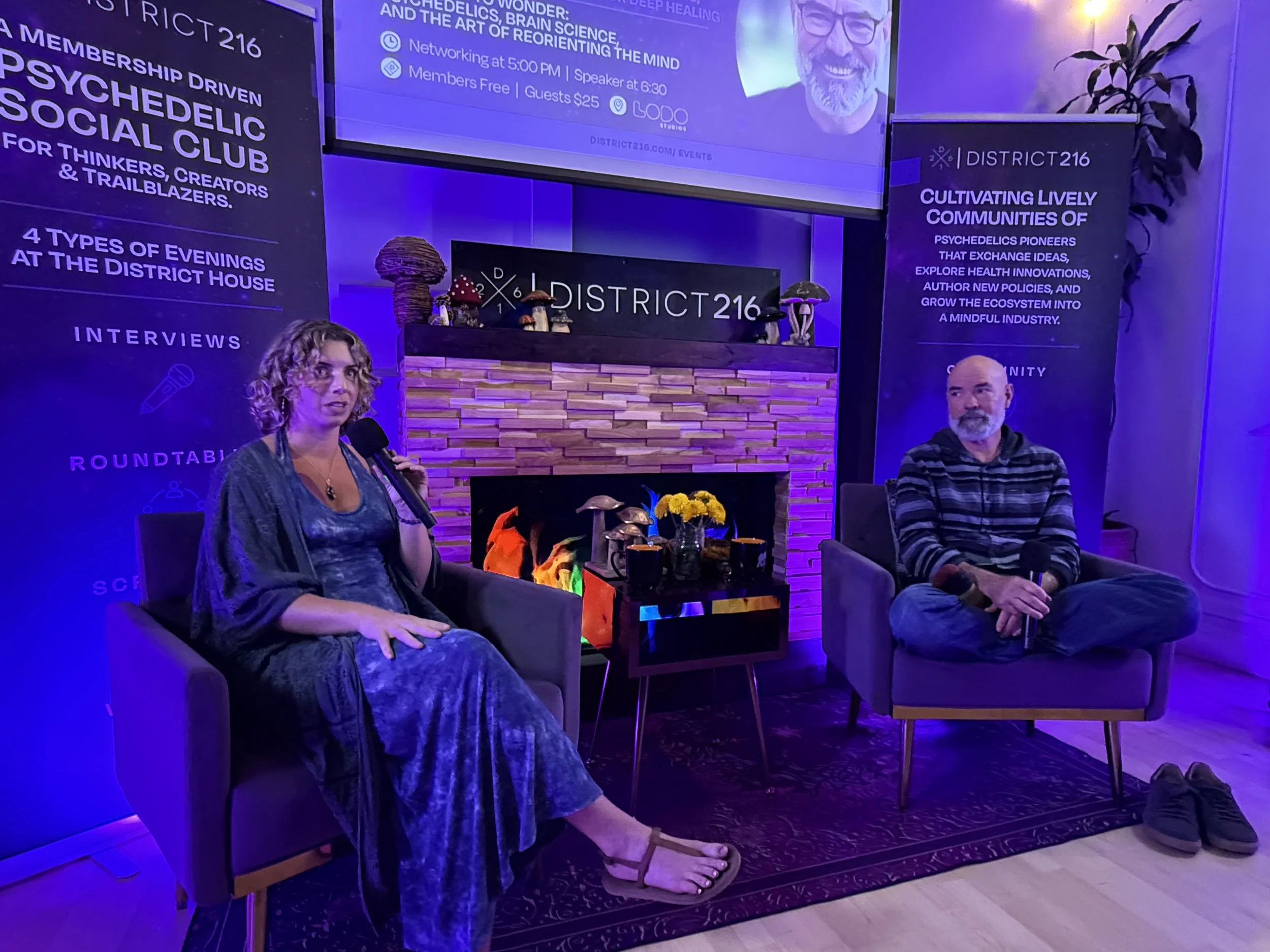
Last Wednesday, we sat down with Bill for a conversation that was equal parts neuroscience deep dive and meditation on what it means to be human. He came not as a military figure, but as a healer. A meditation teacher, clinical social worker, ordained minister, and psychedelic-assisted therapist who has spent years learning how to guide others through the terrain he once had to navigate alone.
The War That Follows You Home
Bill's core insight is not complicated, but it is profound. The vast majority of our anxiety doesn't live in the present moment. It lives in the past we keep relitigating and the future we keep catastrophizing. Our nervous systems get stuck in a loop, defending against threats that are only memories or projections. Not what's actually happening right now, in this room, in this breath.
"When you're fighting the past and the future at the same time, you've already lost," Bill said. "There's nothing to fight there. The only place where healing can happen is here."
This sounds simple. It is anything but. After enough trauma, whether from combat, loss, or childhood, the nervous system stops trusting the present. It treats safety like a threat and stillness like a warning. The body stays braced for an impact that never comes. That invisible wound is what Bill has spent his career learning to understand and help others heal.
Where Brain Science Meets Contemplative Wisdom
What makes Bill's approach so compelling is that he doesn't ask you to choose between science and spirit. He works in the space where modern neuroscience and ancient contemplative practice converge, and it turns out that space is rich territory.
The nervous system, he explained, has an extraordinary capacity to reorient. To remember safety. To soften its guard and return to baseline. Meditation has been doing this for thousands of years. Psychedelics, when used with intention and care, can accelerate that process in ways we're only beginning to quantify. The two aren't opposites. They speak the same language: the language of presence, of loosening the grip of the narrative mind, of allowing something larger than the story of our pain to move through us.
This is both the science and the art of what Bill does. He's not offering a cure. He's offering a reorientation. A chance for the mind, the heart, and the nervous system to remember what they already know.
The Work Itself: Intentional, Careful, and Deeply Human
Bill doesn't see everyone. He works by referral only, taking on clients that others in the field believe are genuinely ready for the depth of work he offers. That's not gatekeeping. That's integrity. This kind of healing asks a great deal of a person, and Bill takes seriously his responsibility to meet people where they are.
His protocol reflects that seriousness. He works with various medicines, selected thoughtfully based on each person's needs and history. Preparation is extensive. Set and setting are non-negotiable. Safety throughout the journey is paramount. And the work doesn't end when the session does. Bill stays closely connected with his clients through three to four follow-up sessions after each journey, because integration is where the real transformation takes root. Making meaning from what was experienced. Learning to live differently in the light of it.
"The journey opens a door," he said. "Integration is learning to live in the room on the other side."
Why This Conversation Matters for Our Community
At District216, we talk a lot about the future of psychedelics. The policy landscape, the research, the culture being built. Bill reminds us that underneath all of that is something more fundamental: the human being sitting across from you who is trying to find their way back to themselves.
His work with veterans, first responders, and seekers of all kinds is a living example of what a mindful, ethical psychedelic practice looks like. It's what we want to normalize. Not the reckless or the recreational, but the intentional and the transformative. The kind of work that honors both the medicine and the person taking it.
If this conversation stirred something in you, we invite you to sit with it. Learn more about Bill's work at CompassionateNudge.com. And if you're not yet part of the District216 community, we'd love to have you.