
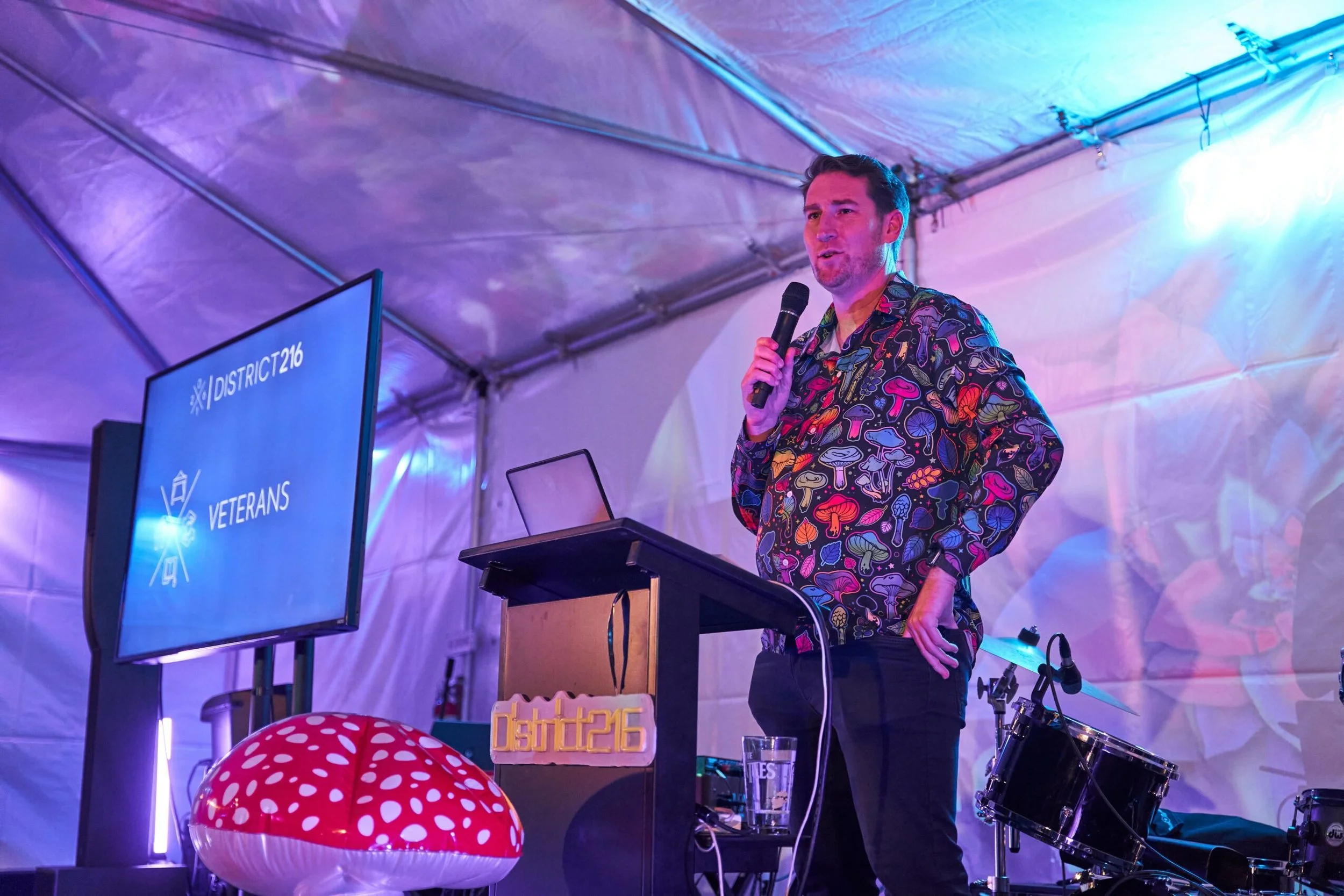
Santa Barbara has long attracted artists, musicians, healers and independent thinkers. The coastal setting, the open-minded culture and the focus on well-being create fertile ground for new ideas. Yet meeting like-minded people can be harder than it sounds, especially for those who want something deeper than small talk at a bar. This guide explores how Santa Barbara social clubs bring creative and wellness communities together, what to look for in a membership and how a modern club can support learning, connection and personal growth.
Why People Join Social Clubs Today
Social clubs have changed. The traditional image of a formal, exclusive lounge has given way to community spaces built around shared interests. Members look for belonging, conversation and the chance to learn from others in person, which online platforms rarely provide.
Common reasons people join include:
Meaningful connection: Regular gatherings help acquaintances become friends.
Creative inspiration: Exposure to artists, writers and musicians sparks new projects.
Wellness support: Group practices and open conversation encourage balance.
Professional networking: Introductions often lead to collaborations.
Lifelong learning: Talks and workshops introduce unfamiliar ideas.
What Defines Creative and Wellness Communities
Creative and wellness communities overlap more than many people expect. Artistic expression often supports emotional health, and wellness practices often feed creativity. A strong club recognizes this link and builds programming around both.
Typical activities include live music, sound-based workshops, mindful movement, film screenings, panel discussions and facilitated conversations. The best programming stays educational and inclusive, so a newcomer can attend without feeling out of place. Clear community guidelines set the tone and help every member feel respected.
Understanding the Psychedelic Social Club
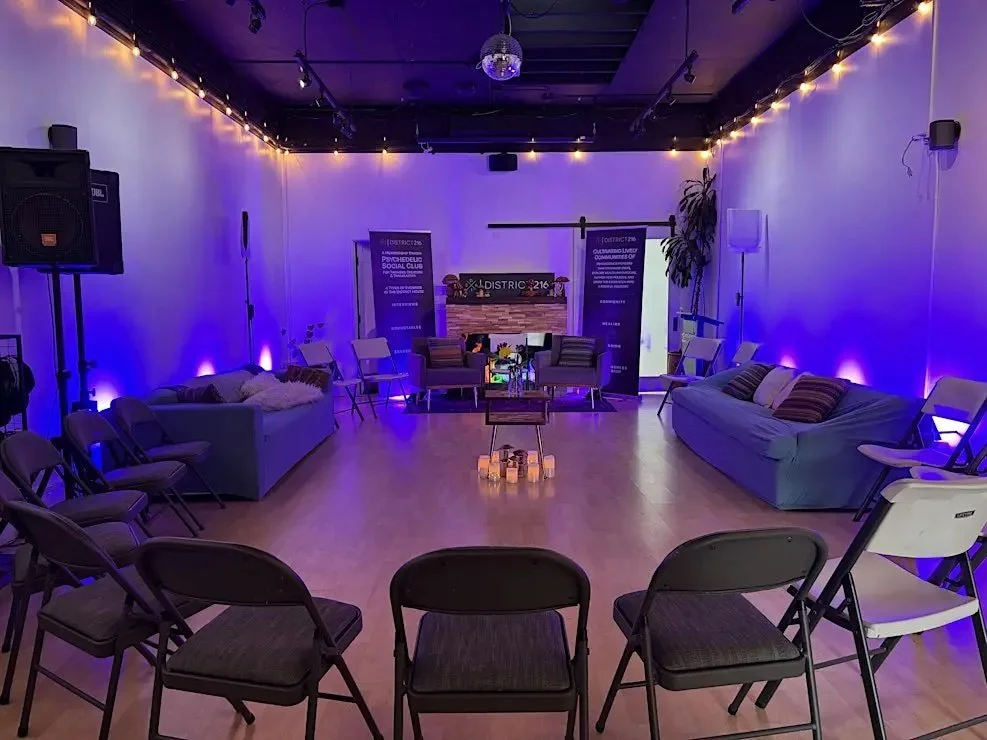
One growing category within this landscape is the psychedelic social club. Interest in psychedelic research, therapy and culture has risen sharply in recent years, and many people want a place to discuss it responsibly. A psychedelic social club focuses on community, education and reflection, bringing together researchers, practitioners, creators and curious residents.
It is important to understand what such a club is and is not. A responsible organization provides information and conversation, not medical, psychological or legal advice. It does not sell or distribute controlled substances and does not encourage illegal use. Its value lies in learning, dialogue and connection, along with a shared interest in how the field is evolving.
A Psychedelic Social Club in Santa Barbara
Santa Barbara's wellness-minded culture makes it a natural home for this kind of community. A psychedelic social club in Santa Barbara can draw on the city's strong arts scene, its health-focused residents and its tradition of open conversation. Local gatherings give people a way to explore ideas without traveling to a larger city.
Events often take place in the evening, which suits people who work during the day. Formats range from roundtable discussions and reflection circles to speaker talks and interactive workshops. Some clubs also record sessions so members can revisit key ideas later.
What a Private Membership Can Offer
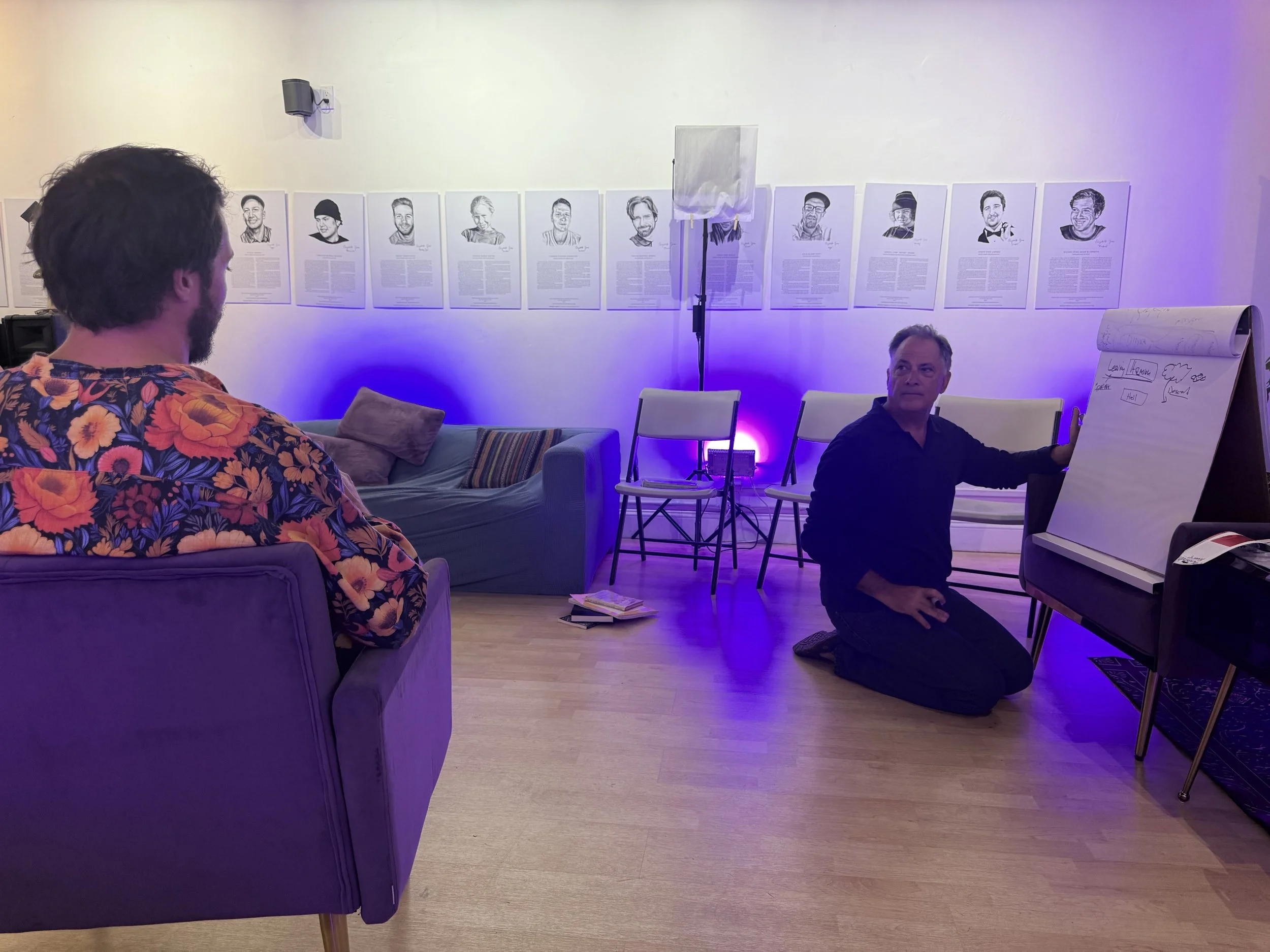
A private psychedelic club membership is typically built around access, community and consistency. Rather than attending an occasional public event, members join a steady group that meets regularly. That consistency allows relationships and trust to develop over time.
Membership benefits vary by organization, but may include:
Regular access to events: Members can attend scheduled evenings at the club's home space.
Priority when space is limited: Popular gatherings may fill, and members often receive first access.
Member resources: Recorded sessions, newsletters and curated reading can extend learning.
A trusted network: Familiar faces make conversations more open and supportive.
When considering any membership, read the community guidelines, ask how events are structured and confirm that the organization states its legal and educational boundaries clearly.
Event Formats to Look For
Variety keeps a community engaging. When you review a club's calendar, look for a mix of formats that match different moods and interests.
Roundtables and Open Discussions
Roundtables invite everyone to contribute on a single theme, such as integration, ethics or personal growth. They are also a relaxed way to meet people.
Reflection Circles
Reflection circles are smaller gatherings centered on listening and confidentiality. They offer a calm space to think through experiences with others.
Workshops and Creative Evenings
Workshops introduce practices such as sound healing, mindful movement or music journeys. Creative evenings pair live performance with conversation, which makes them a friendly entry point for newcomers.
Talks and Screenings
Speakers and films bring in outside expertise, from history to emerging therapy research. They also provide shared material for discussion afterward.
Questions to Ask Before You Join
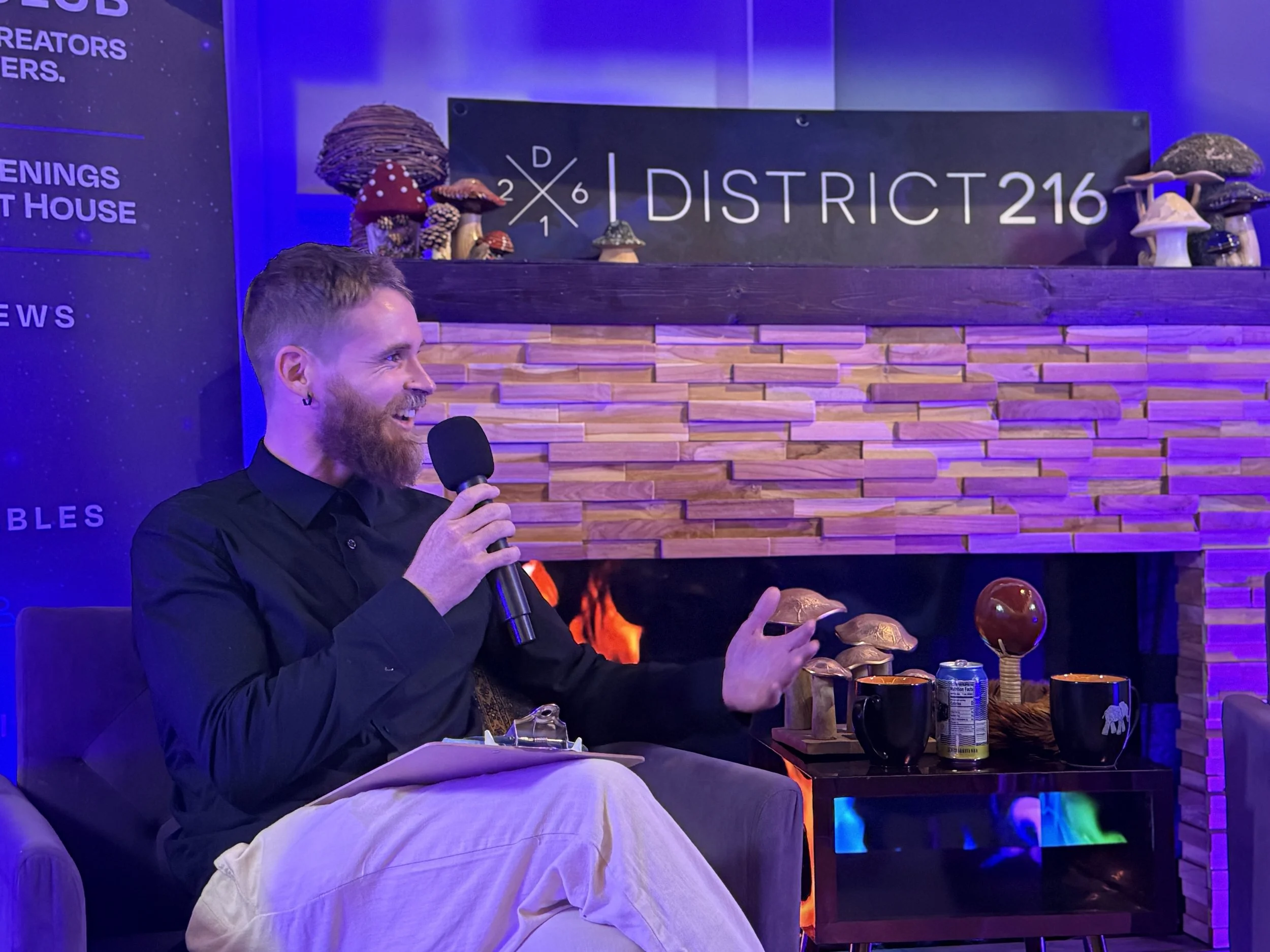
A thoughtful choice protects your time and expectations. Consider asking these questions:
What is the mission of the club, and who is it for?
How are events structured and facilitated?
Are there written community guidelines?
How does the club handle privacy and confidentiality?
What is the schedule, and how often do events occur?
Clear answers signal a well-run organization that respects its members.
Tips for Your First Visit
Arrive a little early so you can meet the host and settle in. Introduce yourself to one or two people rather than trying to meet everyone. Listen first, share when you feel ready and remember that participation is always optional. Afterward, follow up with anyone you connected with to keep the conversation going. Bring an open mind and a willingness to listen, since the most rewarding conversations often begin with a question.
Join the Conversation in Santa Barbara
A thriving local community can make Santa Barbara feel smaller, warmer and more inspiring. If you would like to meet creatives, wellness practitioners and curious thinkers in a welcoming setting, visit District216 to explore upcoming events and learn about membership.
Frequently Asked Questions
-
A social club is a community organization where members meet regularly for conversation, learning and shared activities. Modern clubs often center on interests such as art, music or wellness.
-
Members attend educational events such as roundtables, talks, workshops and reflection circles. The focus is on conversation, research and community rather than substance use.
-
Many clubs offer both member and guest access, though members often receive added benefits. Check the event listing for current details.
-
Educational gatherings are legal, but laws about substances vary. Responsible clubs state that they do not sell, distribute or encourage illegal use.
-
Review the mission, community guidelines and event formats, then attend one gathering to see how it feels.
