
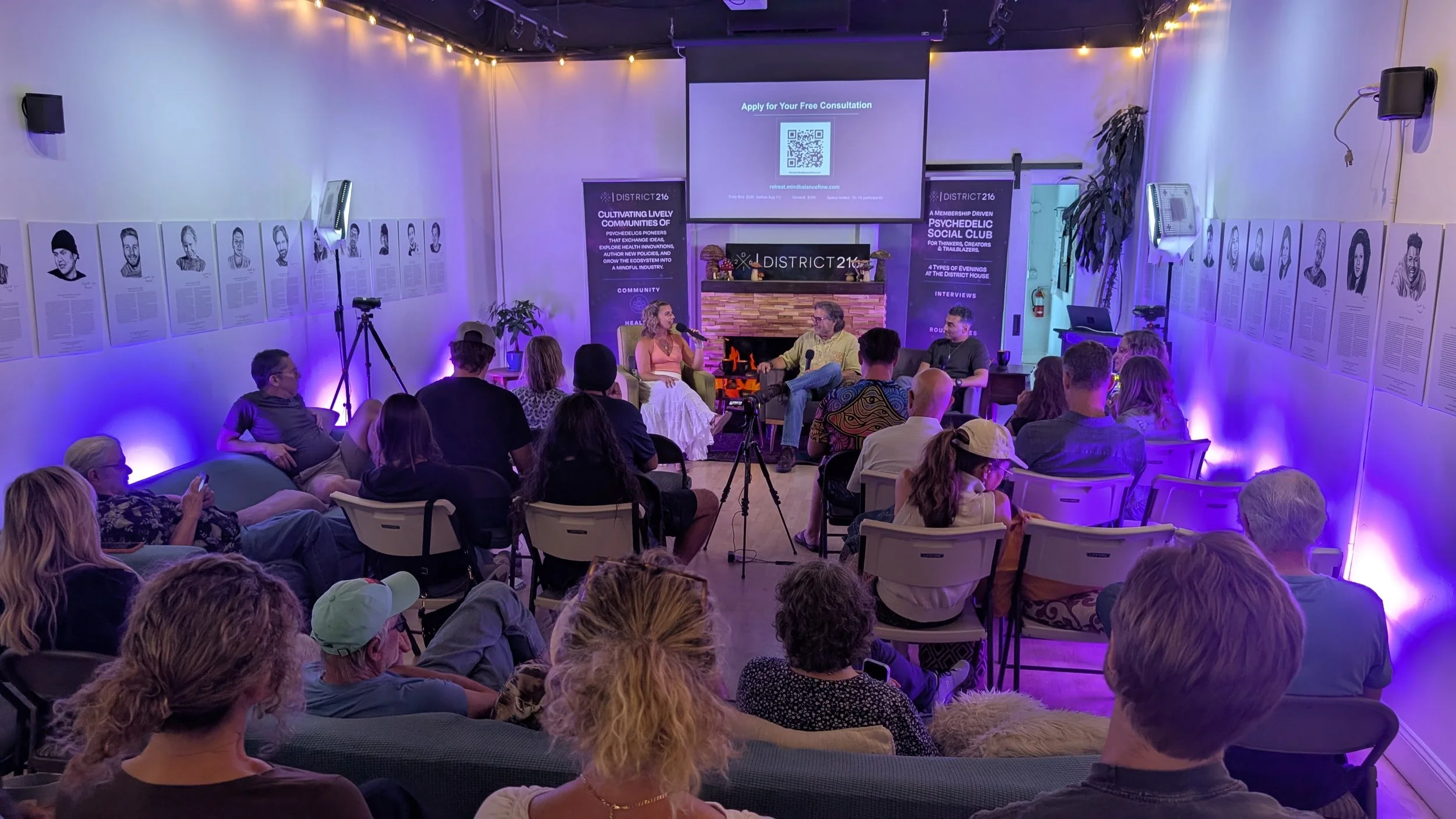
Interest in psychedelic science, therapy and culture has grown quickly, yet many people still have nowhere to ask questions without judgment. News coverage can be confusing, online forums can be noisy and clinical research is often hard to follow. In-person gatherings fill that gap by giving curious people a structured setting to listen, share and learn. This guide explains how psychedelic discussion events work, what makes a space feel safe and how to get the most from attending one.
What Are Psychedelic Discussion Events?
Psychedelic discussion events are organized gatherings where people talk openly about research, history, mental health, culture, art and community. They are educational by design. Attendees come to learn, reflect and connect, not to use any substance. Reputable organizers make that boundary clear and state that they do not provide medical, psychological or legal advice.
Formats vary. Some events are guided talks with a speaker and a question-and-answer period. Others are roundtables where every participant can contribute, or small circles built around reflection and listening. Many combine learning with creative elements such as music, movement or sound.
Why Safe Spaces Matter
Psychedelics remain a sensitive subject. Laws differ by location, personal experiences vary widely and people often carry questions they hesitate to raise elsewhere. A well-run event addresses this by setting expectations before the conversation starts.
Common features of a safe discussion space include:
Clear community guidelines: Written expectations around respect, privacy and listening.
Confidentiality: A shared understanding that personal stories stay in the room.
Educational focus: Content centered on information, research and reflection.
Legal awareness: No promotion, sale or distribution of controlled substances.
Facilitation: A host who keeps the conversation balanced and welcoming.
These elements allow people to speak honestly and to hear different viewpoints without pressure. They also protect the wider community by keeping the focus on learning and wellbeing.
Formats You May Encounter
Understanding the main formats helps you choose an event that matches your interests and comfort level.
Roundtables
A roundtable invites open conversation around a single theme, such as integration, ethics or how research is shaping public attitudes. Participants take turns sharing perspectives, and the host keeps the discussion respectful. Roundtables are also a natural way to meet people with similar curiosity.
Reflection Circles
A reflection circle is a smaller, quieter gathering built around listening. People who have already reflected on a personal experience may use the space to process it with others. Because the setting is more personal, confidentiality is especially important.
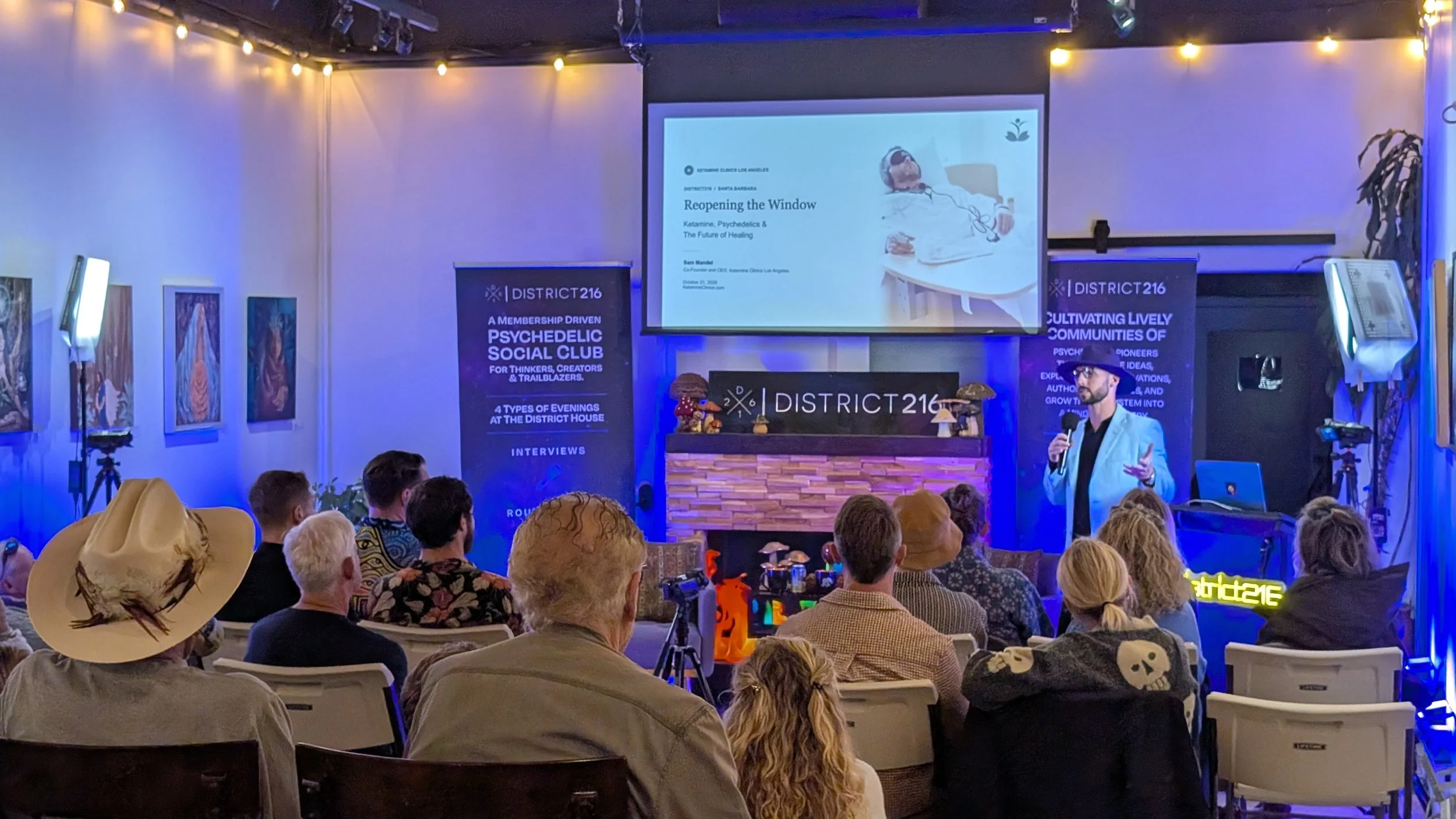
Workshops and Talks
Workshops introduce a topic through guided activity, such as mindful movement or sound-based practices. Talks bring in researchers, clinicians, historians or artists who share knowledge and answer questions. Both formats suit newcomers who prefer to observe before joining a conversation.
Psychedelic Meetup Events as a Gateway to Community
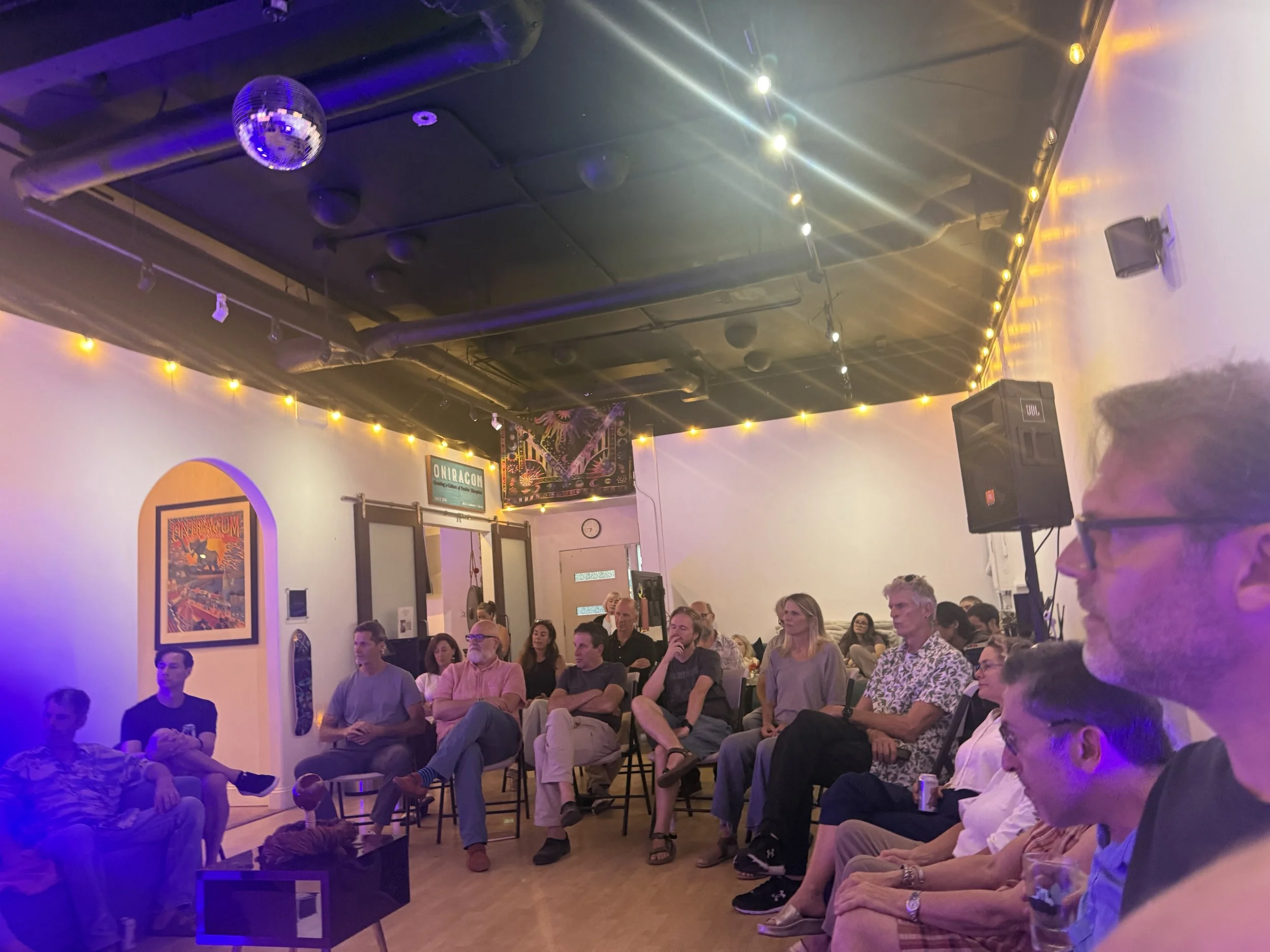
Learning is often easier in good company. Psychedelic meetup events bring together people from different backgrounds, including researchers, healthcare professionals, artists, entrepreneurs and everyday readers who want to understand the subject better. A relaxed meetup lets you ask questions, hear lived perspectives and discover resources you might not find alone.
Regular attendance also builds familiarity. When you see the same faces each week, conversations deepen and trust grows. Many attendees describe this sense of belonging as one of the most valuable outcomes, since it replaces isolation with shared curiosity.
The Value of a Psychedelic Networking Meetup
For professionals and creators, a psychedelic networking meetup offers practical benefits beyond conversation. Researchers can share ideas, writers can find sources, designers can meet founders and wellness practitioners can learn how others approach their work. Because the field is still developing, many collaborations begin with a simple introduction at an event.
To make networking feel natural rather than forced, try these approaches:
Arrive early: Smaller crowds make it easier to start conversations.
Ask open questions: Invite others to share what brought them there.
Listen first: Genuine curiosity builds trust faster than a pitch.
Follow up: Send a short message within a few days to continue the conversation.
How to Prepare for Your First Event
A little preparation helps you feel comfortable from the first minute. Read the event description to understand the format, schedule and expectations. Review any posted community guidelines so you know how the space operates. Decide in advance how much you would like to share, since you can always listen without speaking.
It also helps to arrive with an open mind. People attend for many reasons, including professional interest, personal curiosity and community connection, and every perspective adds to the discussion. Keep in mind that these gatherings are informational and are not a substitute for professional care. If you have questions about your health, consult a qualified provider.
Etiquette That Keeps Conversations Respectful
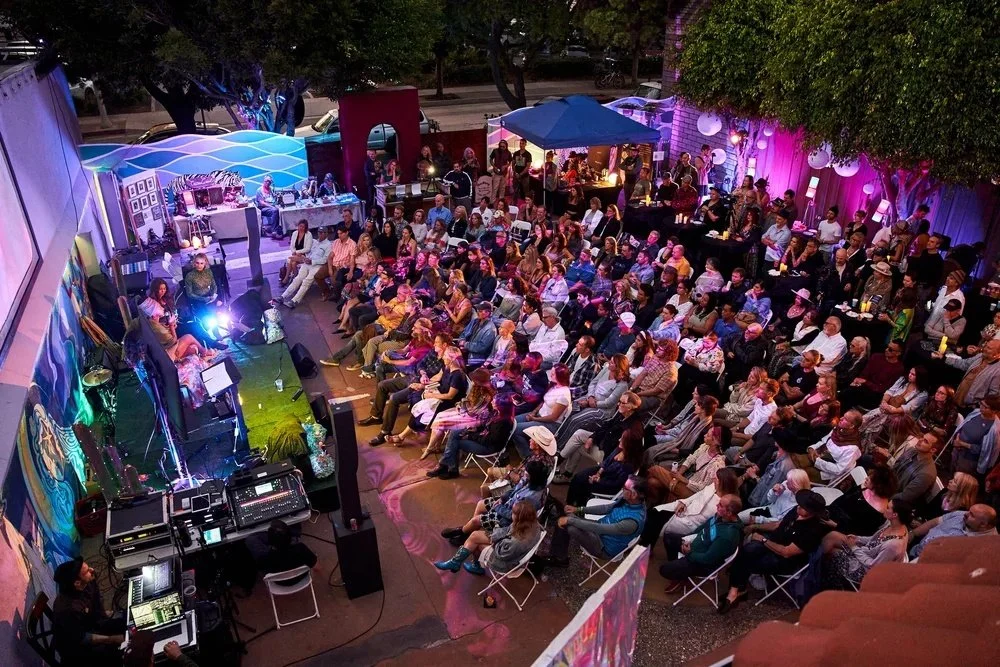
Good etiquette makes every gathering better for everyone. Listen without interrupting, avoid giving medical advice and respect the privacy of anyone who shares a personal story. Refrain from pressuring others to adopt a viewpoint, and welcome people who are skeptical as well as those who are enthusiastic.
Learning Beyond the Event
The conversation does not need to end when the evening does. Many attendees read books, follow peer-reviewed research and watch recorded sessions to deepen what they heard. Some organizers film their events and share edited videos with members, which lets you revisit key ideas at your own pace.
Find a Community in Santa Barbara
If you are near Santa Barbara, California, a local social club can offer a consistent place to learn and connect. A membership-driven club in the area hosts roundtables, reflection circles, workshops, talks and screenings focused on community, learning and consciousness. Visit District216 to see all upcoming events and find a gathering that suits your interests.
Frequently Asked Questions
-
Attendees take part in talks, roundtables, workshops and reflection circles focused on research, history, culture and personal insight. The emphasis is on education and conversation.
-
No. Most events welcome newcomers, curious readers and professionals alike. You can attend simply to listen and learn.
-
Educational discussion is legal, but laws about substances vary by location. Responsible organizers do not provide, sell or encourage the use of controlled substances at their events.
-
No. Participation is voluntary, and you can listen quietly as long as you like. Good hosts set clear guidelines to keep the space respectful.
-
Consider the format, topic and size. Roundtables suit open conversation, talks suit structured learning and circles suit quiet reflection.
