
Health and Wellness Workshops That Build Stronger Communities
Communities thrive when people have access to supportive spaces that encourage learning, connection, and personal well-being. In recent years, health and wellness workshops have become increasingly important for individuals seeking healthier lifestyles, stronger relationships, and meaningful community engagement.
These workshops are more than educational sessions. They create opportunities for people to connect, share experiences, and develop habits that contribute to emotional, mental, and physical wellness. From mindfulness discussions to stress management and holistic wellness practices, community-centered workshops can positively influence both individuals and neighborhoods.
Organizations such as District216 are part of a growing movement focused on building environments where wellness conversations and community interaction can happen in a thoughtful and supportive way.

What Are Health and Wellness Workshops?
Health and wellness workshops are organized sessions designed to educate and support people in different areas of well-being. These workshops may focus on mental health, mindfulness, emotional balance, physical wellness, stress management, nutrition, creativity, or personal development.
The structure of each workshop can vary depending on the community and the goals of the organizers. Some workshops involve guided discussions, while others may include meditation sessions, group activities, educational presentations, or collaborative learning experiences.
The primary purpose is often to provide practical knowledge and encourage healthier lifestyle habits within a supportive group environment.
Why Community Wellness Matters
Modern lifestyles can sometimes lead to isolation, stress, and a lack of meaningful social interaction. Community wellness programs help address these challenges by creating spaces where people can engage with others in positive and constructive ways.
One reason health and wellness workshops are becoming more popular is their ability to bring people together around shared goals related to self-improvement and well-being.
Strong communities are often built on:
Open communication
Shared learning experiences
Emotional support
Healthy social interaction
Access to wellness education
Inclusive environments
When individuals feel supported and connected, communities tend to become more resilient and collaborative.
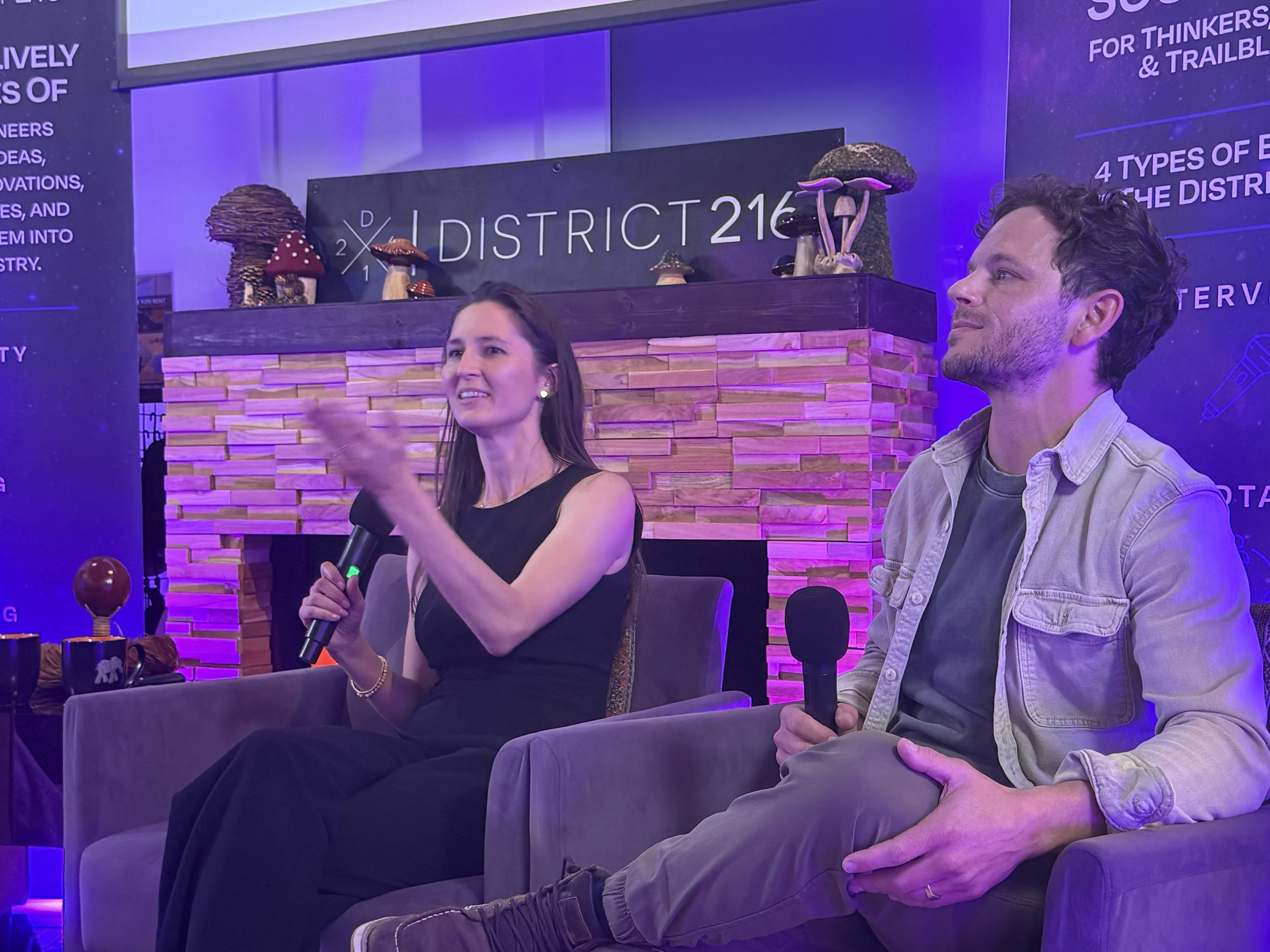
The Role of Wellness Education
Education is an important part of long-term wellness. Many people are looking for reliable information that can help them improve their routines, mental clarity, stress management, and emotional balance.
Wellness workshops often provide educational opportunities in areas such as:
Stress Management
Stress is a common concern across all age groups. Workshops may introduce practical strategies for managing stress through mindfulness, breathing exercises, journaling, and healthy lifestyle habits.
Mindfulness and Meditation
Mindfulness practices have become increasingly common in wellness-focused communities. Guided meditation and awareness exercises can help individuals improve focus, emotional balance, and self-awareness.
Emotional Wellness
Emotional well-being is closely connected to overall health. Workshops that encourage open discussions about emotions, relationships, and personal growth may help participants feel more supported and understood.
Holistic Wellness Practices
Many health and wellness workshops explore holistic approaches that consider physical, emotional, and social wellness together rather than separately.
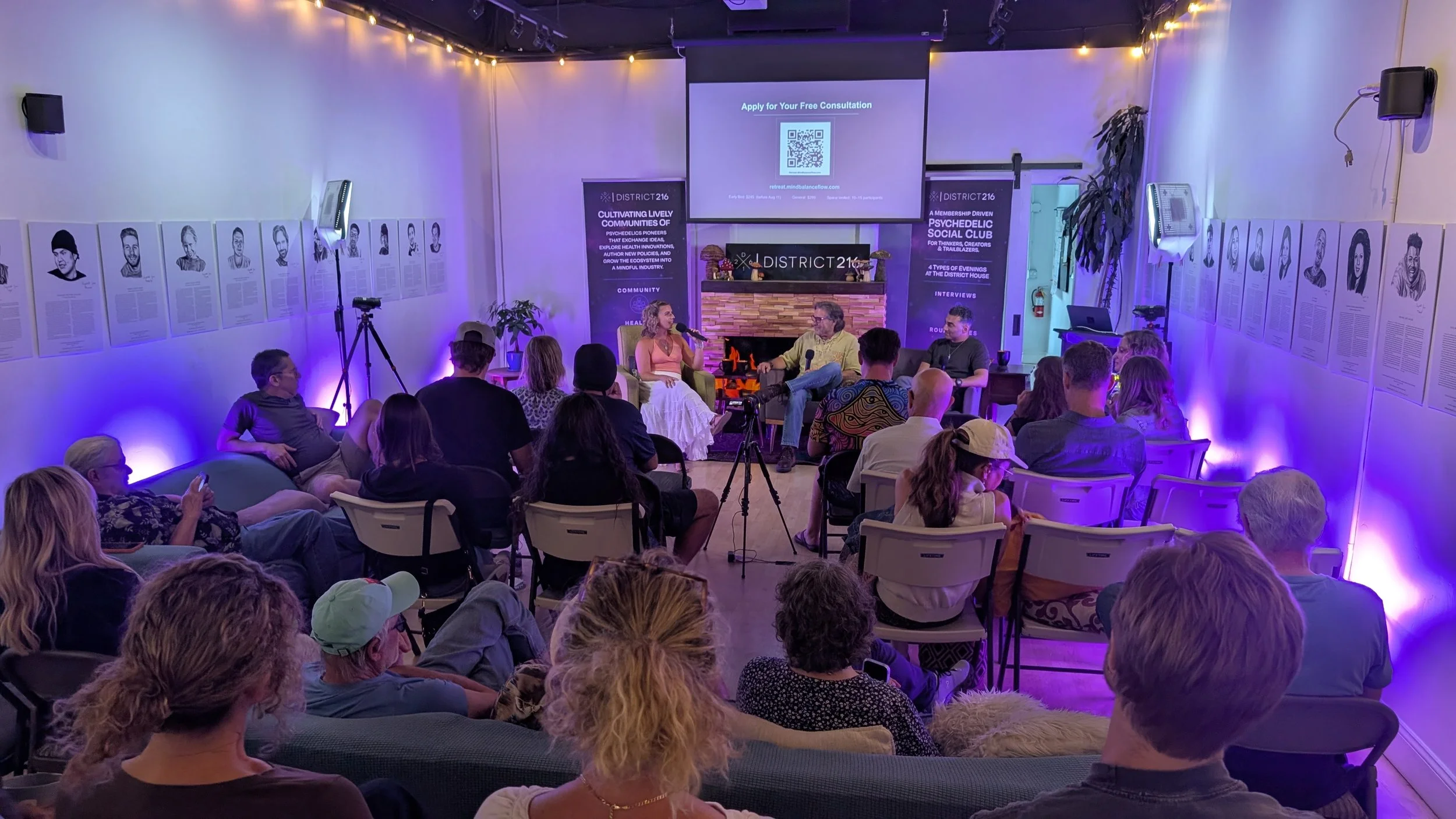
How Workshops Build Stronger Communities
Community-based workshops encourage people to interact in meaningful and supportive ways. Instead of focusing only on individual improvement, these experiences often strengthen social connections within the broader community.
Encouraging Social Connection
Many individuals are seeking opportunities for authentic interaction outside of digital spaces. Wellness workshops provide environments where people can meet others with shared interests and values.
These interactions may help reduce feelings of loneliness while encouraging a stronger sense of belonging.
Supporting Inclusive Conversations
Inclusive environments are essential for healthy communities. Workshops that welcome diverse perspectives can encourage respectful discussions and shared learning experiences.
Creating Shared Experiences
Shared experiences can strengthen relationships between participants. Activities such as group discussions, mindfulness sessions, or collaborative learning exercises encourage trust and understanding within the community.
Promoting Preventive Wellness
Preventive wellness focuses on maintaining health before serious problems develop. Educational workshops often help participants build healthier routines that may support long-term well-being.
The Growing Demand for Wellness-Focused Spaces
Interest in wellness-focused events and educational gatherings has increased significantly in recent years. More people are searching for spaces that encourage personal growth, mindfulness, and supportive social interaction.
Many communities are also showing interest in psychedelic community events that combine wellness education, mindfulness discussions, and meaningful social interaction in supportive environments.
The rise of health and wellness workshops reflects broader cultural changes related to self-care, emotional awareness, and community connection.
People are becoming more interested in:
Mental wellness education
Stress reduction techniques
Healthy lifestyle habits
Community support systems
Mindfulness practices
Personal development opportunities
This shift has encouraged more organizations and local communities to create accessible wellness-centered experiences.
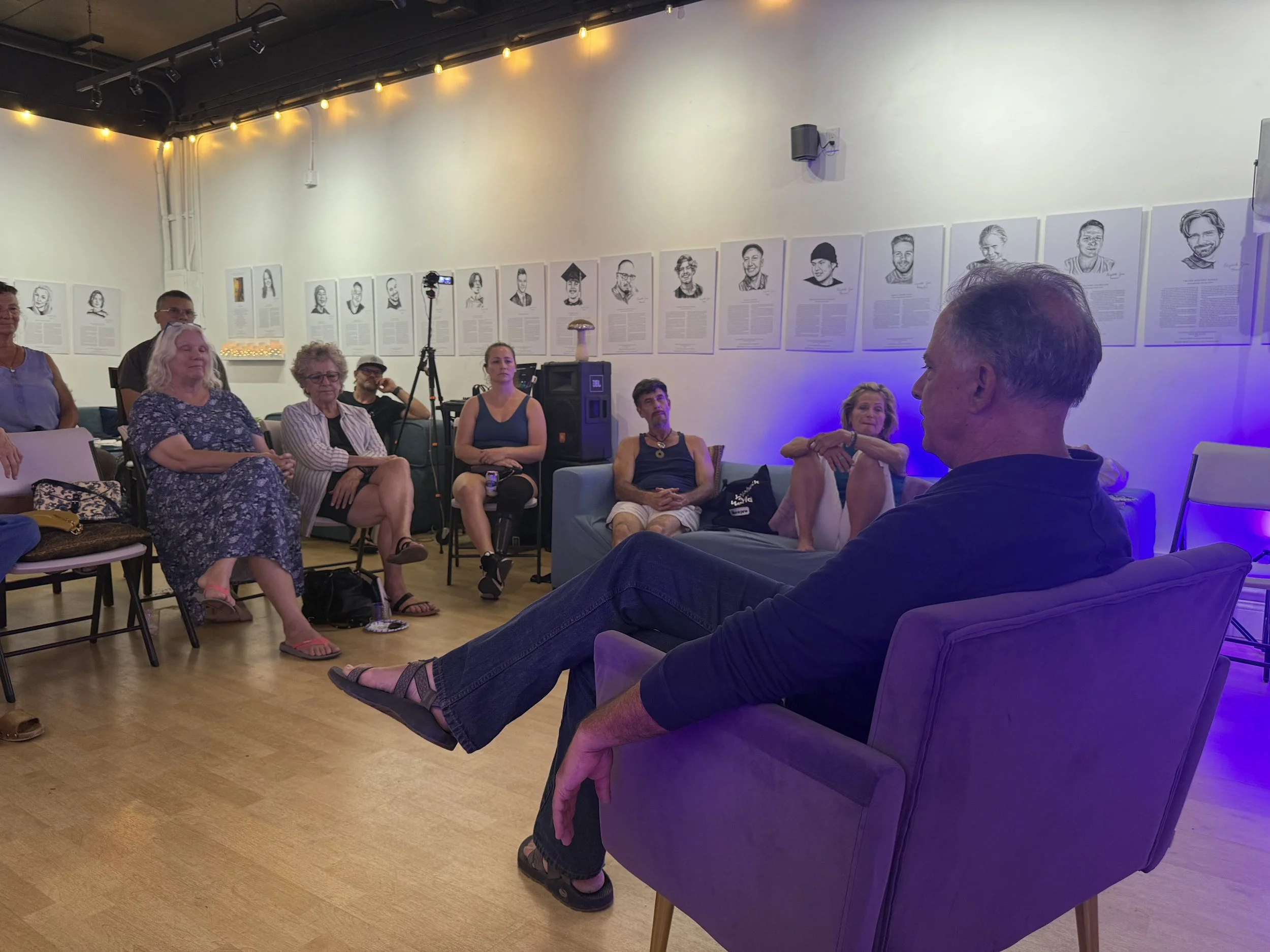
Different Types of Health and Wellness Workshops
Not all wellness workshops focus on the same topics. Different communities may prioritize different areas of education and support.
Mental Health Workshops
These workshops may include discussions around emotional resilience, stress management, mindfulness, and healthy coping strategies.
Creative Wellness Workshops
Creative expression can play an important role in emotional well-being. Workshops involving art, music, journaling, or storytelling may help participants explore personal reflection and communication.
Physical Wellness Programs
Some health and wellness workshops focus on movement, fitness education, nutrition, or healthy daily routines that support overall well-being.
Community Discussion Groups
Discussion-based workshops encourage people to exchange ideas, ask questions, and share experiences in a respectful environment.
Mindfulness and Breathwork Sessions
Mindfulness workshops often include guided breathing exercises, meditation techniques, and practices that support relaxation and focus.
Why Safe and Supportive Environments Matter
The success of any wellness workshop depends heavily on the environment created by organizers and participants. People are more likely to engage openly when they feel respected and supported.
A positive wellness environment often includes:
Respectful communication
Clear community guidelines
Educational focus
Inclusive participation
Supportive discussions
Non-judgmental interaction
It help contribute to conversations around wellness and community engagement by supporting spaces designed for learning and connection.

Long-Term Benefits of Wellness Workshops
While workshops may vary in structure and focus, many participants value the long-term benefits of ongoing community engagement and wellness education.
Potential long-term benefits may include:
Improved stress awareness
Better communication skills
Increased social connection
Healthier daily routines
Greater emotional resilience
Enhanced mindfulness practices
Communities that prioritize wellness education often create stronger support systems for individuals and families alike.
The Future of Community Wellness Programs
As conversations around emotional well-being and healthy lifestyles continue to evolve, health and wellness workshops are likely to remain an important part of community development.
People increasingly value experiences that combine education, mindfulness, and social connection in meaningful ways. Community-centered wellness spaces may continue expanding as more individuals seek environments that encourage thoughtful interaction and personal growth.
For individuals interested in learning more about community wellness initiatives and upcoming events, connecting with organizations focused on wellness education can provide valuable opportunities for involvement and continued learning.
To learn more about upcoming workshops and community events, Contact Us for additional information and future updates.
FAQs
-
Health and wellness workshops are educational and community-focused sessions designed to support mental, emotional, and physical well-being through discussions, activities, and wellness practices.
-
These workshops help strengthen communities by encouraging social connection, wellness education, mindfulness, and supportive communication among participants.
-
The general public can attend health and wellness workshops at District216. These workshops are open to anyone interested in wellness, learning, and community engagement.
-
Common topics include stress management, mindfulness, emotional wellness, healthy lifestyle habits, meditation, creative wellness, and community support.
-
District216 contributes to wellness-focused conversations and community engagement by supporting educational and connection-centered experiences that encourage personal growth and meaningful interaction.
