
Why Social Connection Matters in Modern Wellness Communities

Human connection has always been an essential part of wellbeing. While physical health, nutrition, and exercise often receive significant attention, the role of social relationships in overall wellness is equally important. Research continues to show that meaningful social interactions contribute to emotional resilience, mental wellbeing, personal growth, and a greater sense of belonging.
In today's fast-paced and increasingly digital world, many people are seeking opportunities to build genuine relationships through community-focused experiences. This growing interest has contributed to the popularity of Santa Barbara social clubs and other wellness-oriented communities that bring together individuals with shared interests, values, and goals.
Understanding why social connection matters can help individuals make more informed choices about the communities they join and the relationships they cultivate.
The Human Need for Connection
Humans are inherently social beings. Throughout history, communities have played a vital role in survival, learning, collaboration, and emotional support. While modern society has introduced new ways to communicate, it has also created challenges that can contribute to feelings of isolation and disconnection.
Strong social connections can provide:
Emotional support
A sense of belonging
Opportunities for learning
Shared experiences
Increased confidence
Personal growth opportunities
People often thrive when they feel connected to others who understand their interests, values, and life experiences.
Social Wellness as a Pillar of Health
Wellness extends beyond physical health. Many wellness models include multiple dimensions, including emotional, social, intellectual, and spiritual wellbeing.
Social wellness refers to the ability to build and maintain healthy relationships while participating in supportive communities.
Benefits of social wellness may include:
Reduced feelings of loneliness
Improved emotional resilience
Greater life satisfaction
Enhanced communication skills
Stronger support networks
When people feel connected to others, they are often better equipped to navigate challenges and maintain a positive outlook.
Modern wellness communities frequently place a strong emphasis on creating environments that encourage authentic interaction and shared experiences.
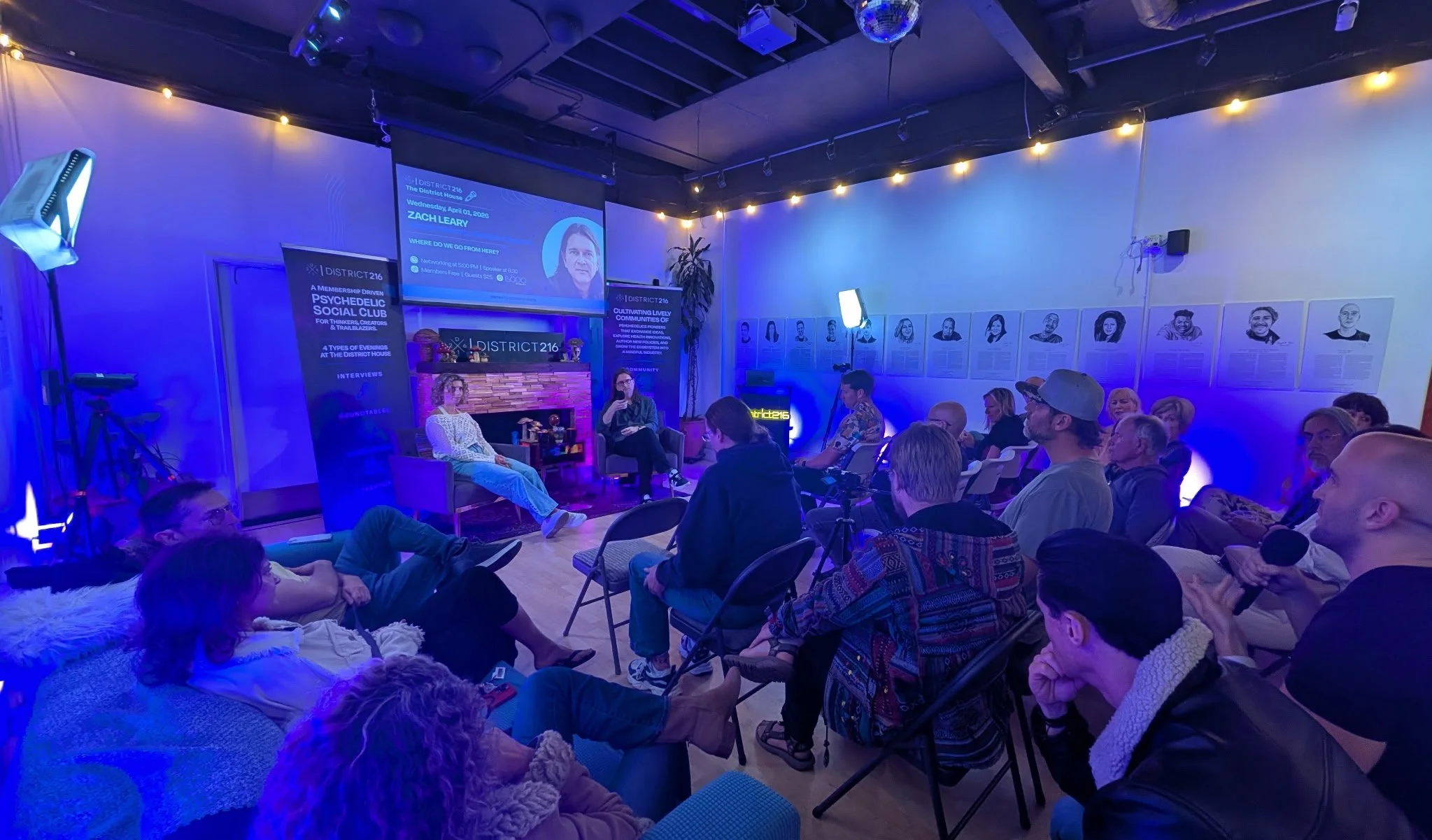
Why Community Matters More Than Ever
Technology has made communication more accessible than ever before. However, digital interaction does not always replace the value of in-person connection.
Many individuals spend significant portions of their day working remotely, interacting through screens, or managing busy schedules that leave little time for community engagement.
This shift has contributed to growing interest in:
Local community events
Wellness gatherings
Educational workshops
Interest-based groups
Collaborative experiences
Communities that provide opportunities for meaningful interaction can help bridge the gap between digital communication and genuine human connection.
Many social clubs have emerged in response to this growing desire for deeper engagement and community participation.
Building Meaningful Relationships Through Shared Interests
One of the most effective ways to form lasting connections is through shared interests.
When individuals come together around common topics, passions, or experiences, conversations often develop more naturally and authentically.
Community-based gatherings may focus on areas such as:
Wellness
Creativity
Personal development
Education
Music
Art
Mindfulness
These shared experiences create opportunities for people to exchange ideas, learn from one another, and develop meaningful relationships over time.
Participating in social groups can introduce individuals to people they may not otherwise encounter in their daily lives.
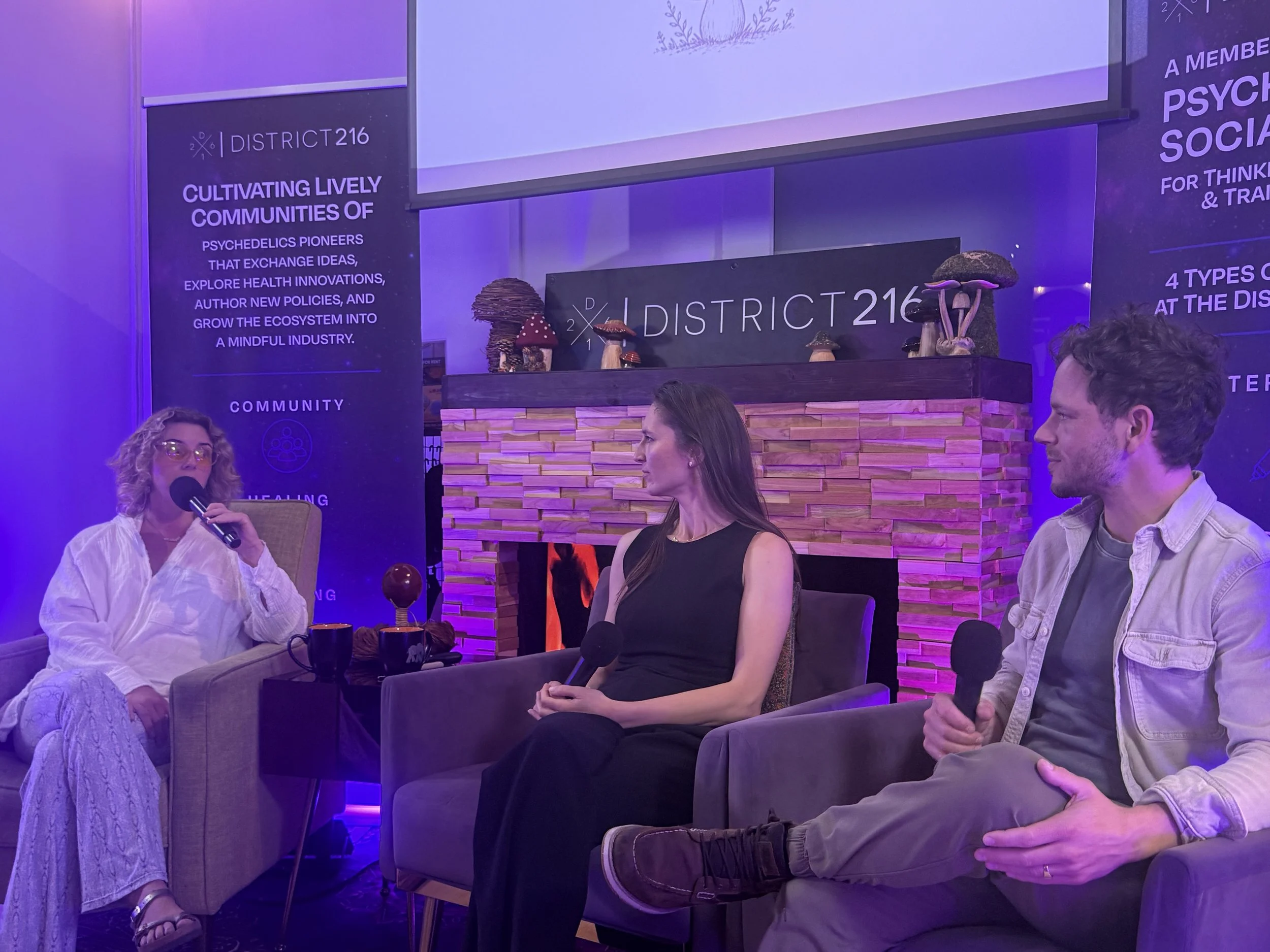
The Role of Learning in Community Building
Many modern wellness communities combine social interaction with educational opportunities.
Learning environments encourage engagement by bringing together people who are curious, open-minded, and interested in personal growth.
Educational experiences may include:
Guest speakers
Workshops
Group discussions
Panel conversations
Community forums
Learning alongside others creates opportunities for dialogue and collaboration while helping individuals explore new perspectives.
This combination of education and connection is one reason community-driven wellness spaces continue to grow in popularity.
Creating Safe Spaces for Open Conversation
Many people seek environments where they can discuss ideas, experiences, and personal growth topics without fear of judgment.
Supportive communities encourage:
Respectful dialogue
Active listening
Diverse viewpoints
Thoughtful discussion
Mutual understanding
Creating spaces where individuals feel comfortable sharing their thoughts can strengthen trust and foster deeper relationships.
Communities that priorities openness and respect often create stronger bonds among participants while supporting ongoing personal development.
Wellness Communities and Personal Growth
Personal growth rarely occurs in isolation. Many of the most meaningful learning experiences happen through interactions with others.
Community environments provide opportunities to:
Gain new perspectives
Challenge assumptions
Receive feedback
Share experiences
Learn from diverse backgrounds
These interactions can contribute to increased self-awareness and broader understanding of different viewpoints.
Wellness-focused communities often encourage members to engage with new ideas while remaining connected to supportive social networks.
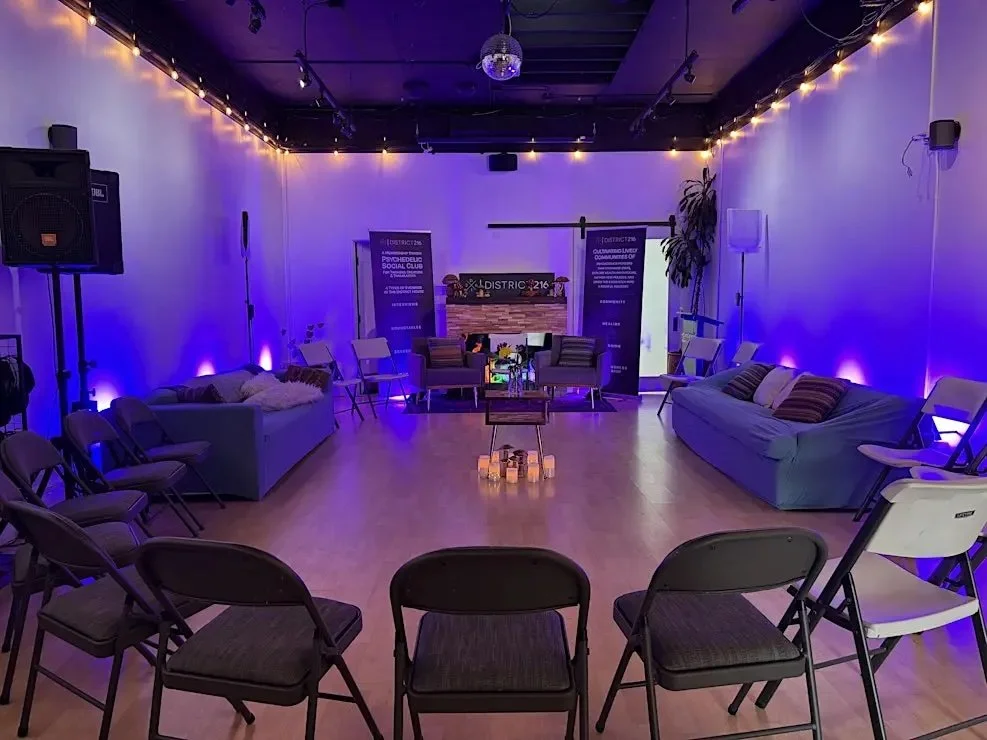
The Growing Interest in Conscious Communities
In recent years, there has been increasing interest in communities that explore topics related to wellness, creativity, mindfulness, and consciousness.
A psychedelic social club represents one example of a community model that combines education, discussion, art, music, and wellness-focused experiences.
These communities often bring together individuals who are interested in exploring topics related to personal growth, culture, wellbeing, and human potential within a structured and educational environment.
By creating opportunities for conversation and learning, these communities help foster meaningful relationships among participants.
Community Through Art, Music, and Shared Experiences
Creative experiences can serve as powerful tools for connection.
Art, music, storytelling, and cultural events often bring people together in ways that encourage emotional engagement and shared understanding.
Benefits of community-based creative experiences may include:
Enhanced self-expression
Greater empathy
Stronger social bonds
Increased engagement
Opportunities for collaboration
Shared experiences frequently become the foundation for lasting friendships and ongoing community involvement.
Communities that incorporate creative expression often provide unique opportunities for meaningful connection.
Why Local Communities Continue to Thrive
While online communities offer convenience and accessibility, local gatherings provide opportunities for face-to-face interaction that many individuals continue to value.
Local communities offer benefits such as:
Stronger personal relationships
Increased trust
Shared local experiences
Greater accountability
More meaningful engagement
A growing number of people searching for "social groups near me" are looking for opportunities to connect with others in real-world settings rather than relying exclusively on digital platforms.
This trend highlights the ongoing importance of local community participation in supporting overall wellbeing.

Social Connection and Long-Term Wellbeing
The benefits of social connection extend far beyond individual events or gatherings.
Over time, strong community involvement can contribute to:
Improved emotional wellbeing
Greater resilience during challenges
Enhanced sense of purpose
Increased opportunities for collaboration
Lifelong learning and growth
Communities often serve as valuable support systems that help individuals navigate personal and professional transitions while maintaining meaningful relationships.
Consistent engagement with supportive social networks can have a lasting positive impact on overall quality of life.
Conclusion
Social connection remains one of the most important components of human wellbeing. As people increasingly seek meaningful relationships, opportunities for learning, and supportive environments, community-focused experiences continue to play a valuable role in modern life.
Whether through local gatherings, educational discussions, creative experiences, or wellness-focused communities, meaningful social interaction helps foster belonging, personal growth, and emotional resilience. Join District216 to become part of a community that values connection, learning, creativity, and conscious exploration while supporting meaningful engagement among like-minded individuals.
Frequently Asked Questions
-
Social connections help reduce feelings of isolation, provide emotional support, encourage personal growth, and contribute to overall mental and emotional wellbeing.
-
Santa Barbara social clubs provide opportunities to meet like-minded individuals, participate in community activities, engage in meaningful conversations, and build lasting relationships.
-
Social groups near me often create environments where people can learn from others, exchange ideas, gain new perspectives, and develop stronger communication skills.
-
A psychedelic social club is a community-focused organization that brings people together through educational discussions, wellness experiences, creative expression, and conversations related to consciousness and personal growth.
-
Local communities provide face-to-face interaction, stronger personal relationships, shared experiences, and opportunities for meaningful engagement that many people find difficult to achieve through digital communication alone.
