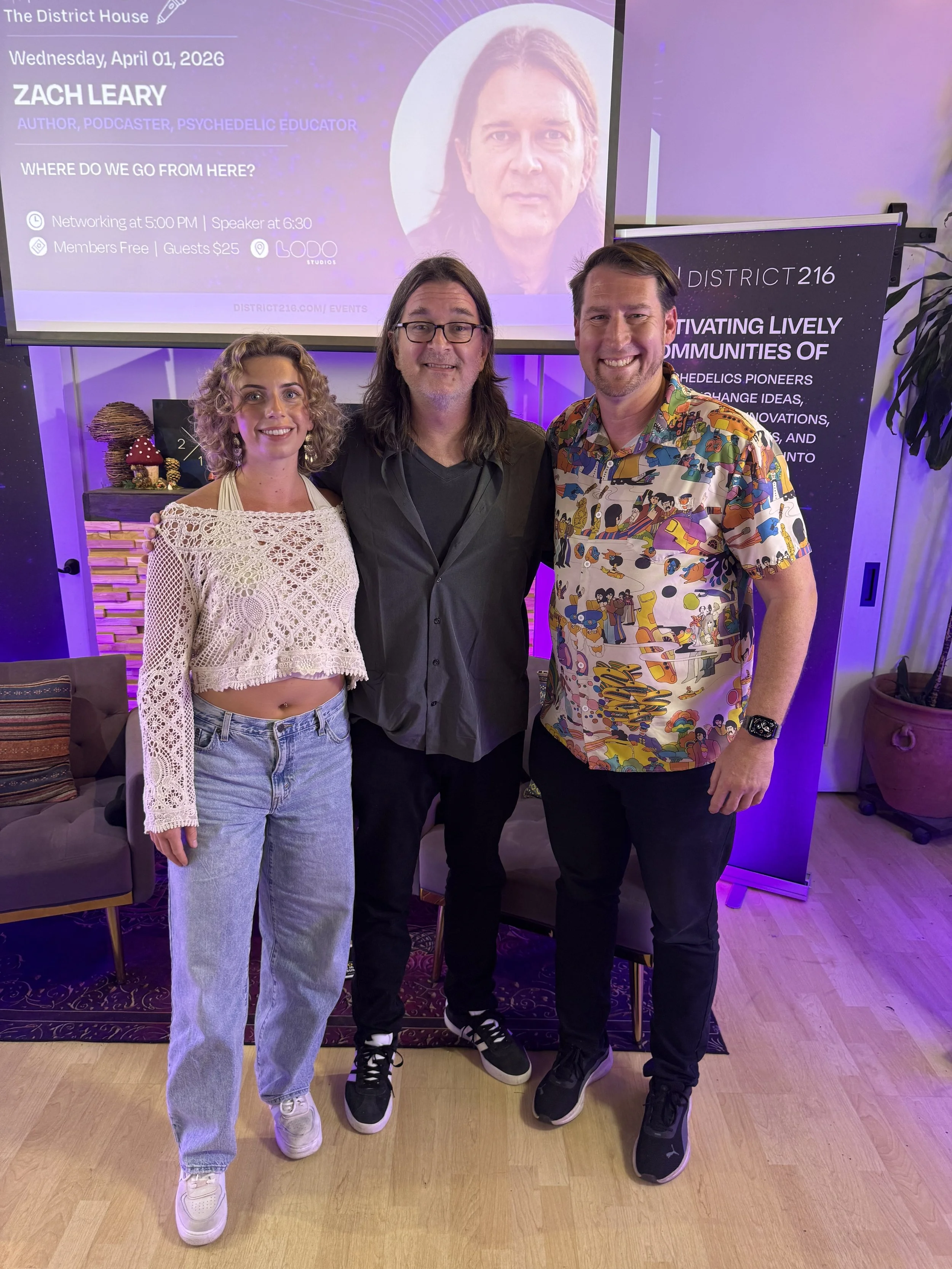
Where Do We Go From Here? An Evening With Zach Leary
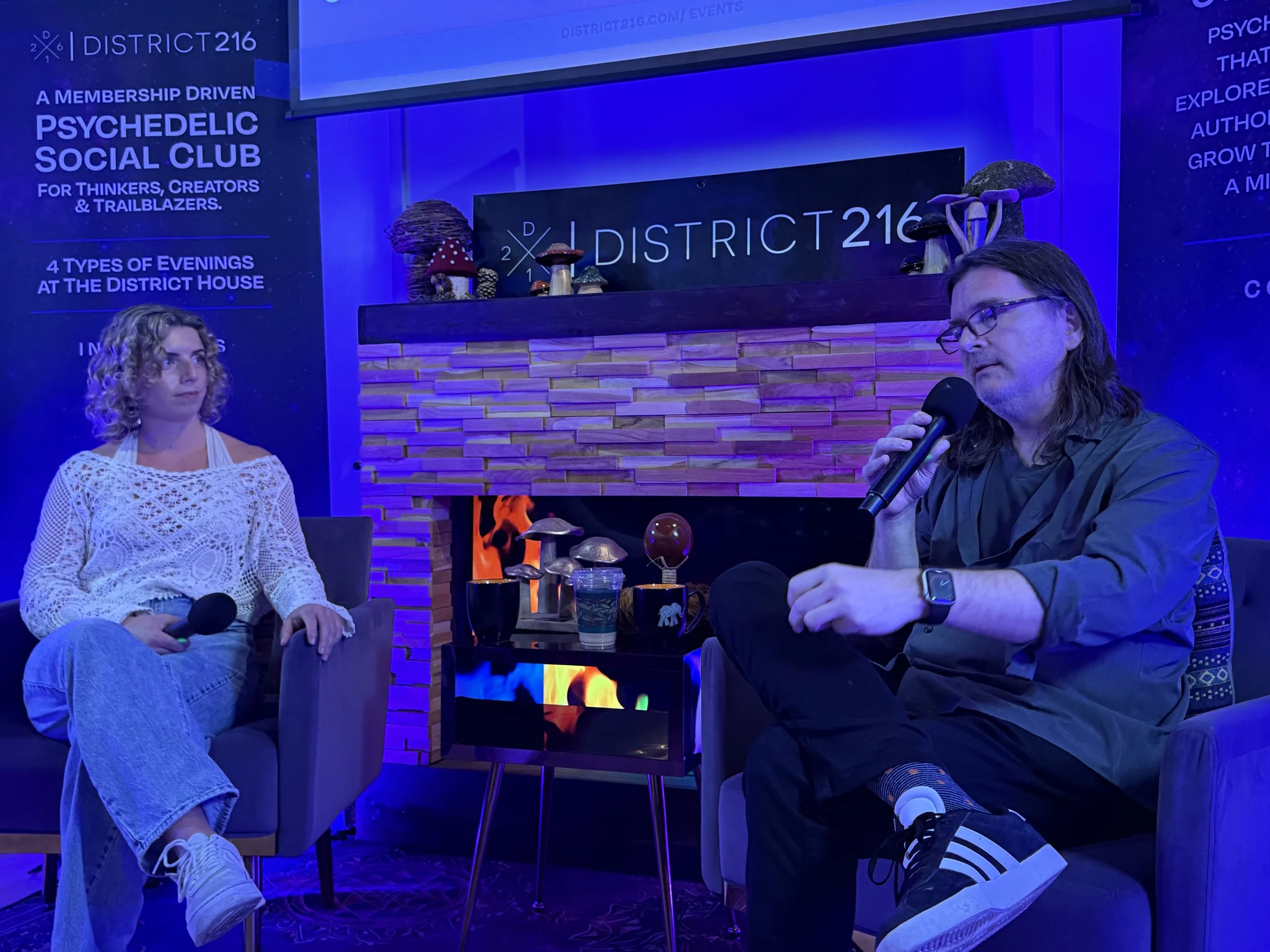
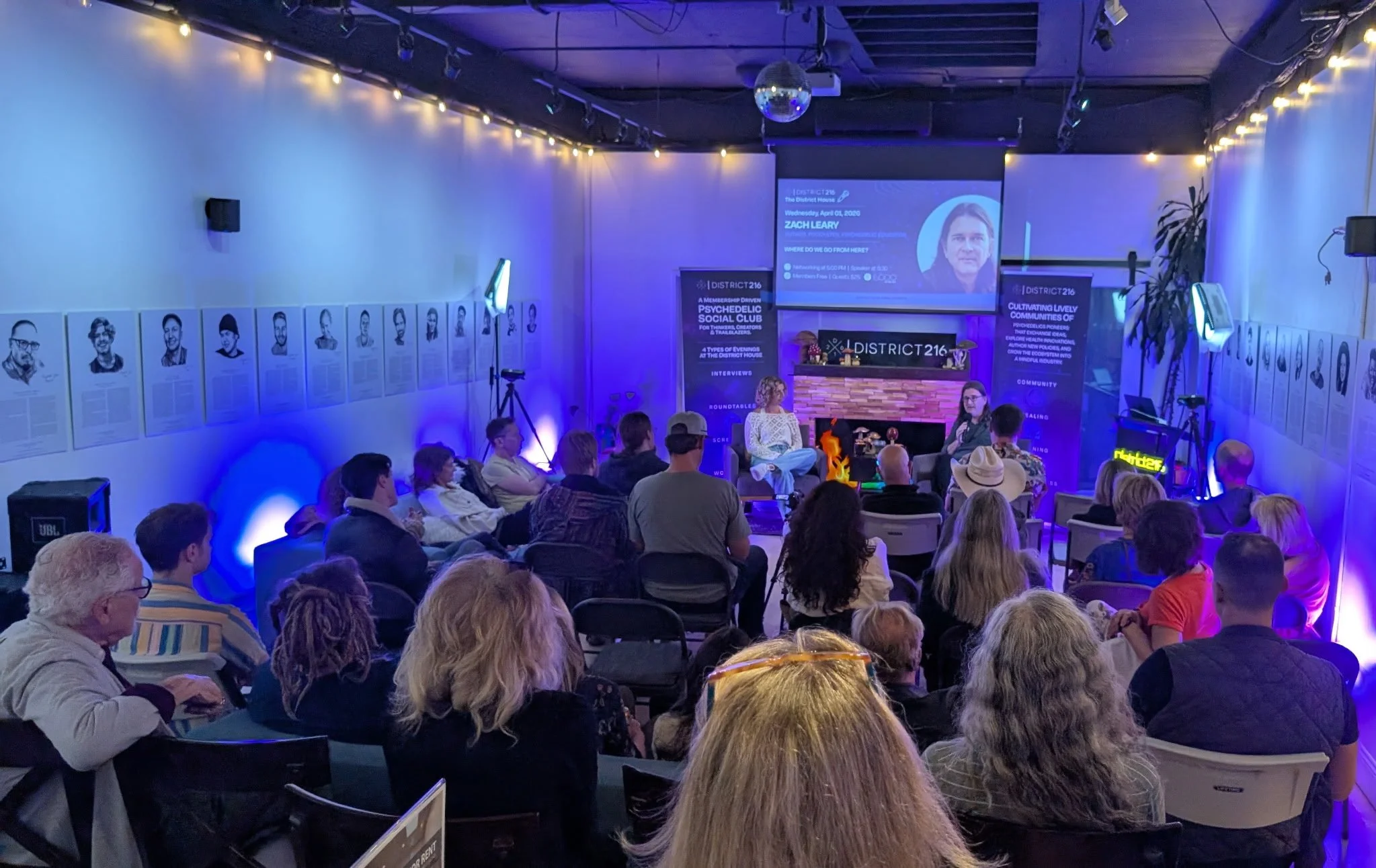
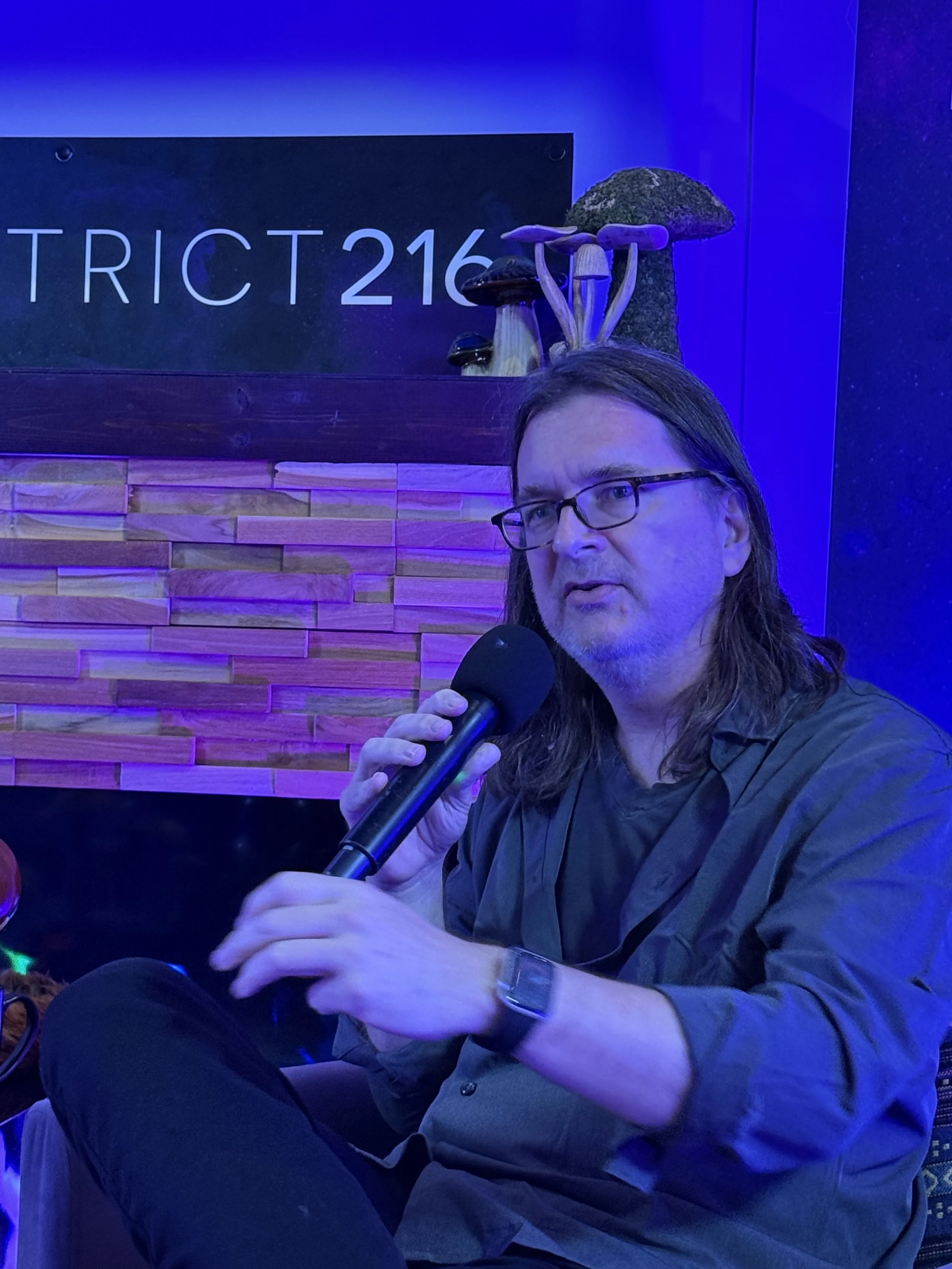
Some nights at District216 start one way and end somewhere completely different. Last week was one of those nights. Zach Leary walked in as an author, podcaster, and psychedelic educator. By the end of the evening, he had taken us through the backstage of a Pink Floyd show, the frontlines of the modern psychedelic renaissance, and some of the hardest questions our movement is going to have to face. Hannah Jo held the whole thing together with her characteristic warmth and sharp curiosity, and the room was completely locked in from start to finish.
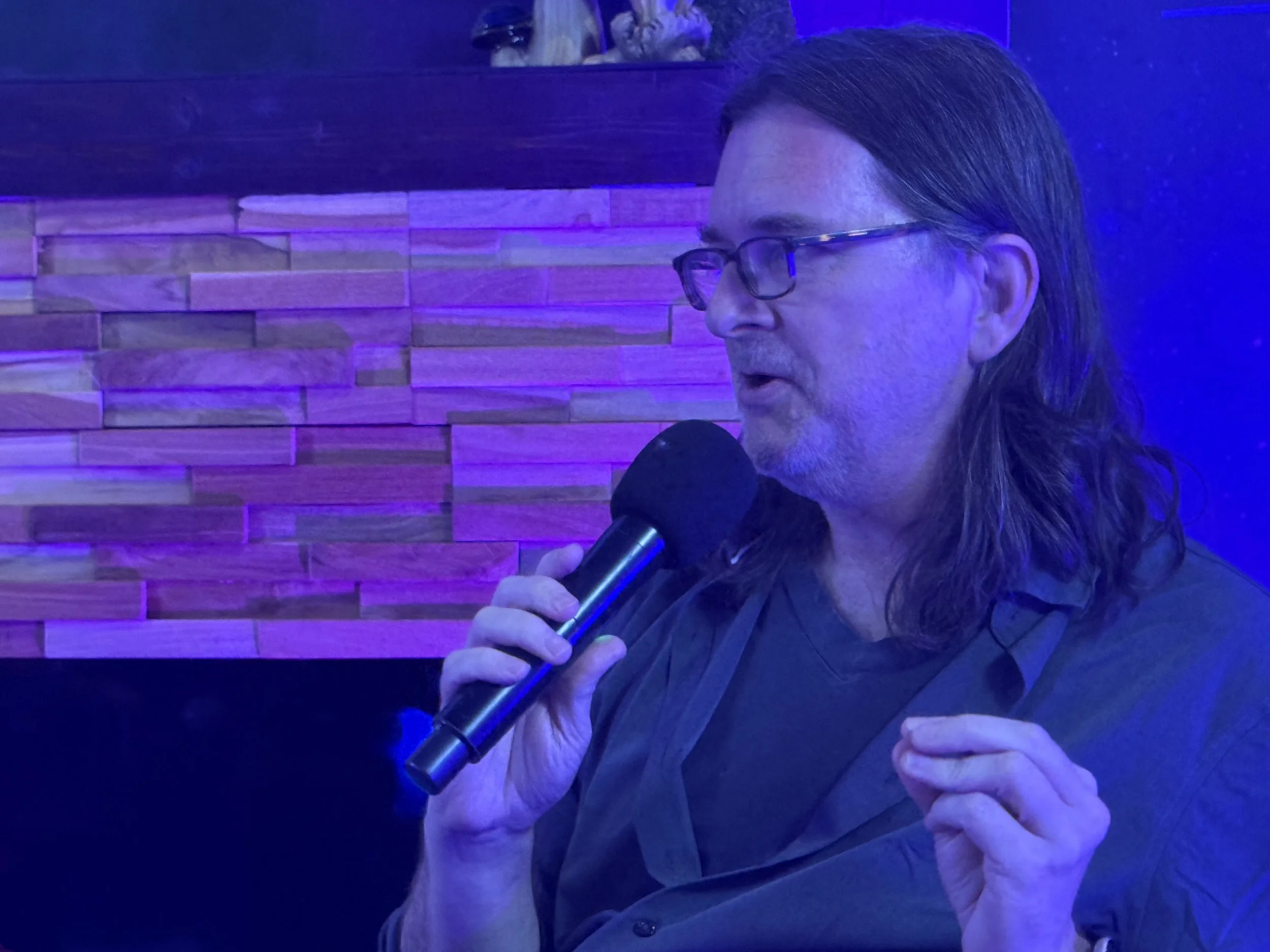
You don't get much closer to the origin story of the psychedelic movement than Zach Leary. His father, Timothy Leary, is arguably the most famous figure in the history of psychedelic counterculture, and Zach grew up inside that legacy, shaped by it, tested by it, and ultimately finding his own grounded path through it. When Hannah Jo asked him about what that was actually like, the room got very still.
The story that drew the biggest reaction was one Zach shared about seeing Pink Floyd in the 90s, alongside his father. It wasn't just a concert. They dropped acid with the band, hung out on the bus, went backstage, saw multiple shows. For a moment, the whole room was transported. It was a reminder that the psychedelic movement has a living, breathing, storied history, and that history is still here, still speaking, still relevant. Zach carries that lineage with real humility and a clear sense of responsibility.
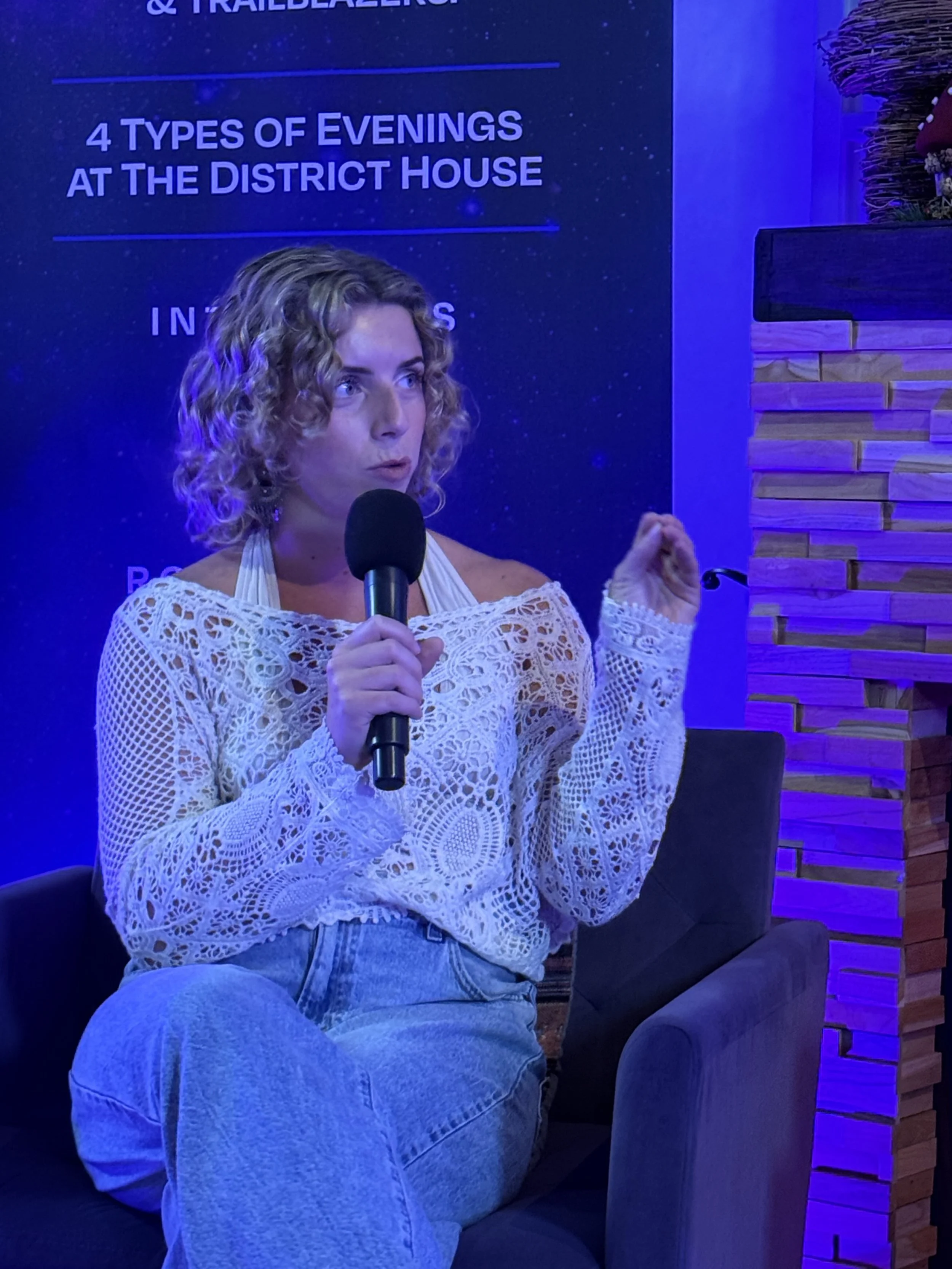
If there was a single thread running through everything Zach talked about, it was this: context matters more than the molecule. The psychedelic experience is not inherently healing. It can be profound, transformative, and deeply therapeutic, but only when it's held with care, preparation, and real support. Zach has worked one-on-one with nearly 200 people in psychedelic healing and integration, and taught more than 100 students his approach to harm reduction and responsible practice. He knows what safe looks like, and he knows what it doesn't.
The conversation around containers isn't just about physical safety. It's about the quality of the relationship between guide and participant, the intention going into an experience, the integration that follows, and the community that holds it all. Zach spoke about the influence of Ram Dass on his approach, and you could feel it, a kind of gentleness underneath the rigor, a recognition that healing is a deeply human thing that can't be reduced to a protocol.
Here's where the evening got real. Psychedelics are going mainstream. The RAND Corporation estimates that millions of Americans are already using them as part of their healing and spiritual lives. Legislation is moving. Clinics are opening. Pharmaceutical investment is growing. And Zach wasn't shy about naming the tension that creates.
When capital starts chasing psychedelics, what happens to the values that made them powerful in the first place? Who gets access? Who sets the standards? What gets lost when healing becomes a product? These aren't hypothetical questions anymore. They're the questions the movement is going to have to answer in real time, and Zach's point was that if the psychedelic community isn't at the table, shaping that conversation, the default answers are going to come from people whose primary motivation is profit.
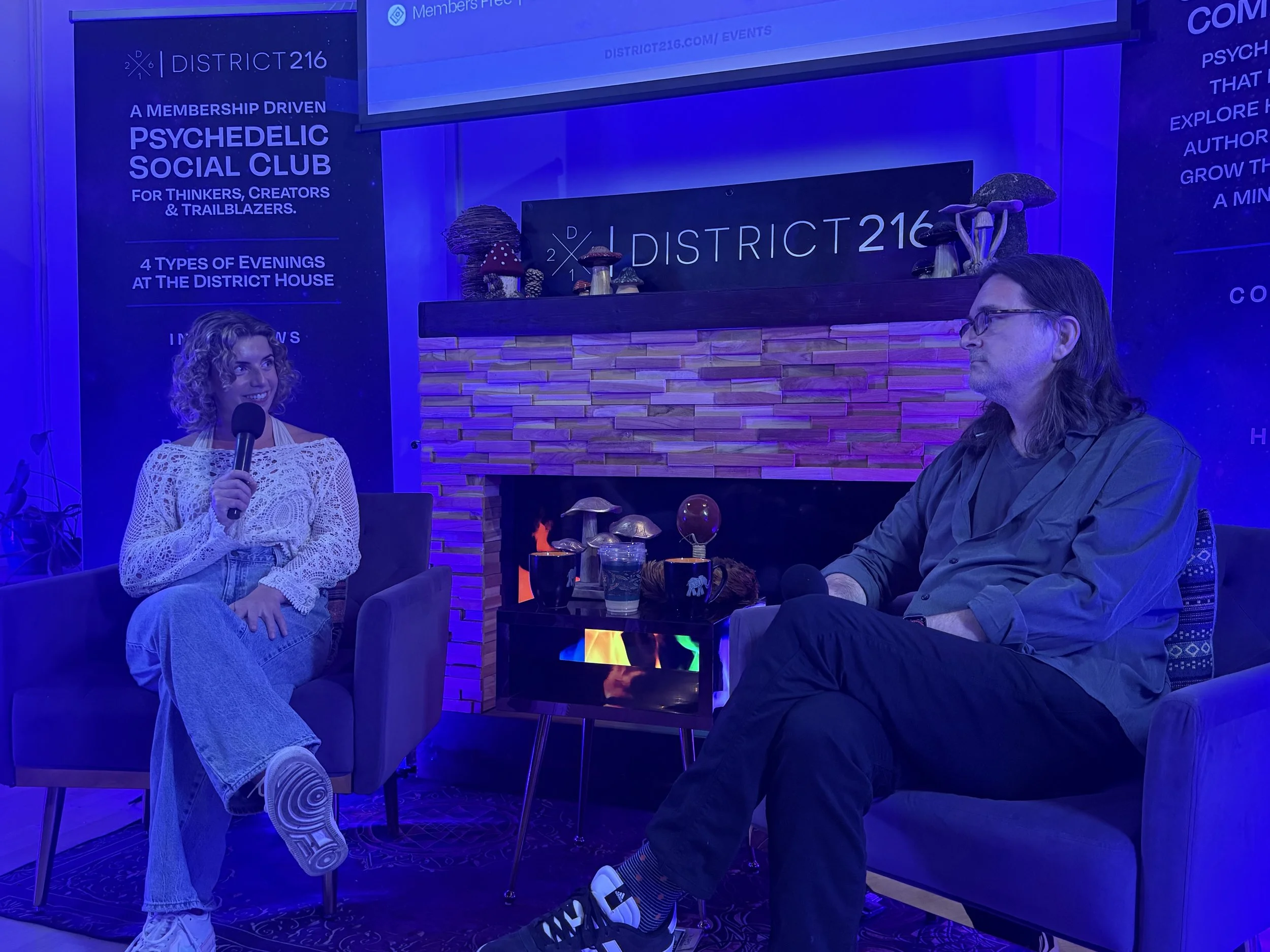
He spoke about cognitive liberty, about the right of individuals to explore their own consciousness, and about how a heavily medicalized, commercially driven model could quietly erode that liberty even as it claims to expand access. It's a complicated picture, and Zach held it without pretending there are easy answers.
What Zach kept coming back to, and what felt most true by the end of the night, is that the path forward runs through community. Not through any single therapy model, not through legislation alone, not through any one institution. Community is how we transmit wisdom, hold people accountable, protect the vulnerable, and keep asking the right questions. It's exactly what District216 is built to be.
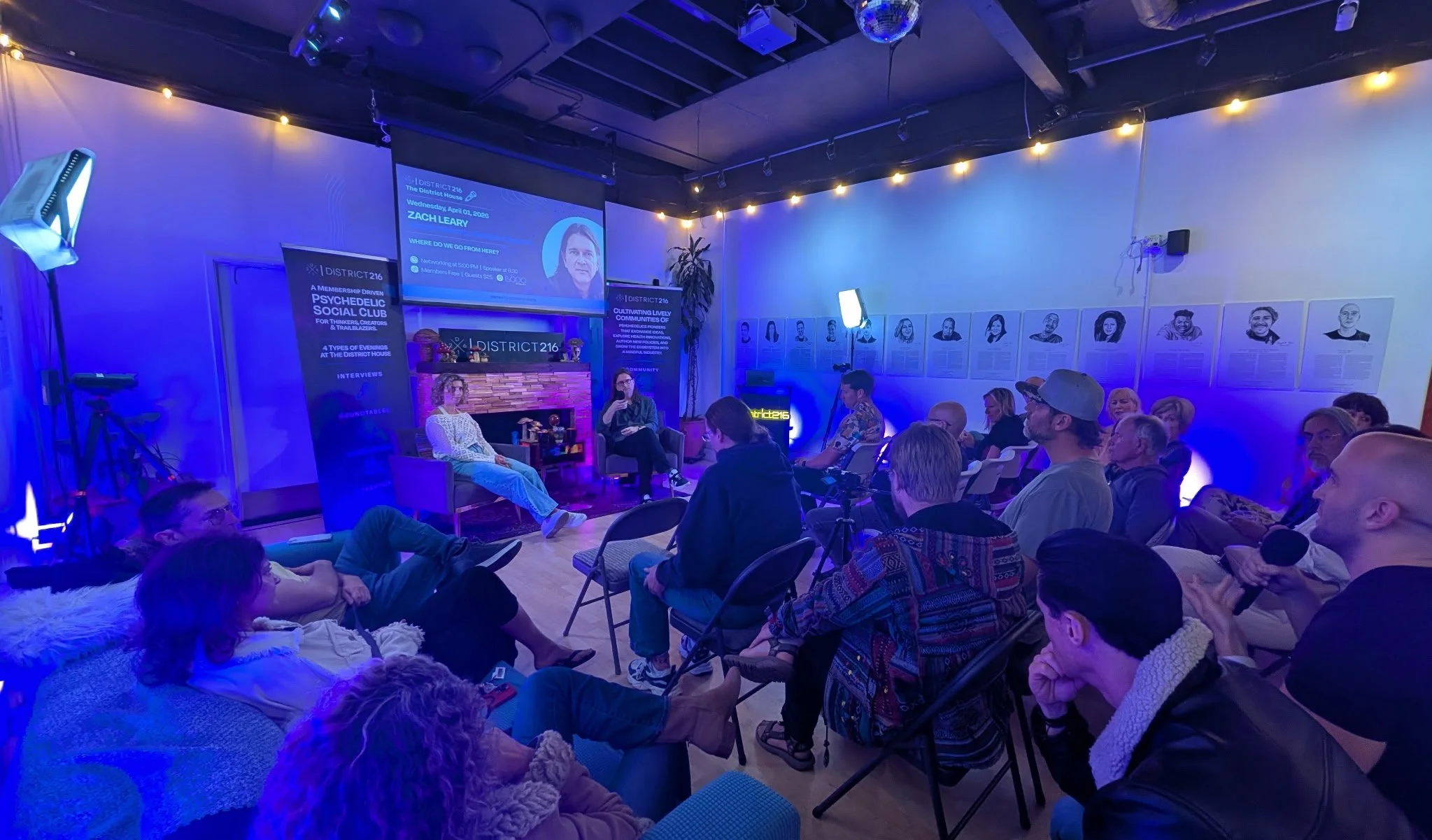
The work of shaping a psychedelic renaissance that's rooted in wisdom instead of just popularity isn't glamorous. It looks a lot like the kind of honest, curious conversations we had last week, in a room full of people who actually care about getting this right.
Zach Leary's book, Your Extraordinary Mind: Psychedelics in the 21st Century and How to Use Them, is published by Sounds True and worth reading whether you're new to this space or deep in it. His podcast, Psychedelics Then and Now, is a great ongoing companion.
And if you weren't there last week, keep an eye on what's coming next. Nights like this one are what District216 is for. 💜