What the Body Remembers: Howard Steinberg on Shame, Survival, and the Medicine That Changed Everything
There's a particular kind of silence that grows up in homes shaped by catastrophe. Not the peaceful kind. The kind that fills the space where feelings were never allowed to land. Howard Steinberg grew up inside that silence, the son of Holocaust survivors, carrying a type 1 diabetes diagnosis that no one in his family quite knew how to hold. So they didn't. They set it down somewhere out of sight, the way you do with things that feel too heavy or too frightening to name.
Howard didn't just live with that silence. He absorbed it. And for decades, it shaped nearly everything.
The Disease No One Talked About
Being diagnosed with a chronic illness as a child is disorienting enough on its own. Your body becomes something to manage, monitor, negotiate with. But when that illness is layered inside a family system that already has no language for vulnerability, something else happens. The illness becomes something to hide. Shame moves in quietly and sets up shop.
For Howard, type 1 diabetes wasn't just a medical reality. It was a secret. A source of discomfort in a household already carrying more pain than most families ever have to. His parents had survived the unsurvivable. There wasn't much room left for a kid's feelings about insulin and needles and what it meant to be different.
So he learned to perform wholeness. He became good at it.
Outward Success, Inward Noise
By most measures, Howard's life looked like it worked. Three companies. A marriage. Three daughters. The kind of resume that signals to the world that a person has figured things out. But underneath the achievement was a layer of noise he couldn't quiet, a low hum of fear and survival instinct that had been running so long he'd stopped noticing it was there.
It took hitting sixty, and a convergence of loss, divorce, and a deep inner emptiness, to make the noise impossible to ignore. Something had to give. And in that cracking open, he found his way to plant medicine.
Ayahuasca and the Reckoning
Ayahuasca doesn't let you skip anything. That's both its gift and its demand. For Howard, the medicine became the container his family never could be, a place where decades of unprocessed feeling finally had somewhere to go. The chronic illness. The generational trauma. The inherited fear. The version of himself built more for survival than for living.
It wasn't a single journey and it wasn't simple. But something shifted. The body, which had been holding so much for so long, began to release it. The story he'd been telling about himself started to loosen its grip.
Howard came out of that process writing. His memoir, Confessions of a Problem Seeker: My Lifetime Journey From Busy Brain To Loving Heart, is a record of what he found when he started peeling back the layers of the life he'd constructed, and an invitation to others, especially those in the second half of life, to ask who they really are beneath everything they've been told to be.
Why This Story Matters Here
At District216, we talk a lot about healing. We talk about medicine, and integration, and the science of consciousness. But the stories that move us most are the ones like Howard's, the ones where a real person sits down and tells the truth about what it cost them to live inside a constructed self, and what it felt like to finally set it down.
Generational trauma, chronic illness, masculinity, shame, and the long road back to authenticity. These aren't fringe topics. They're the center of why this work matters.
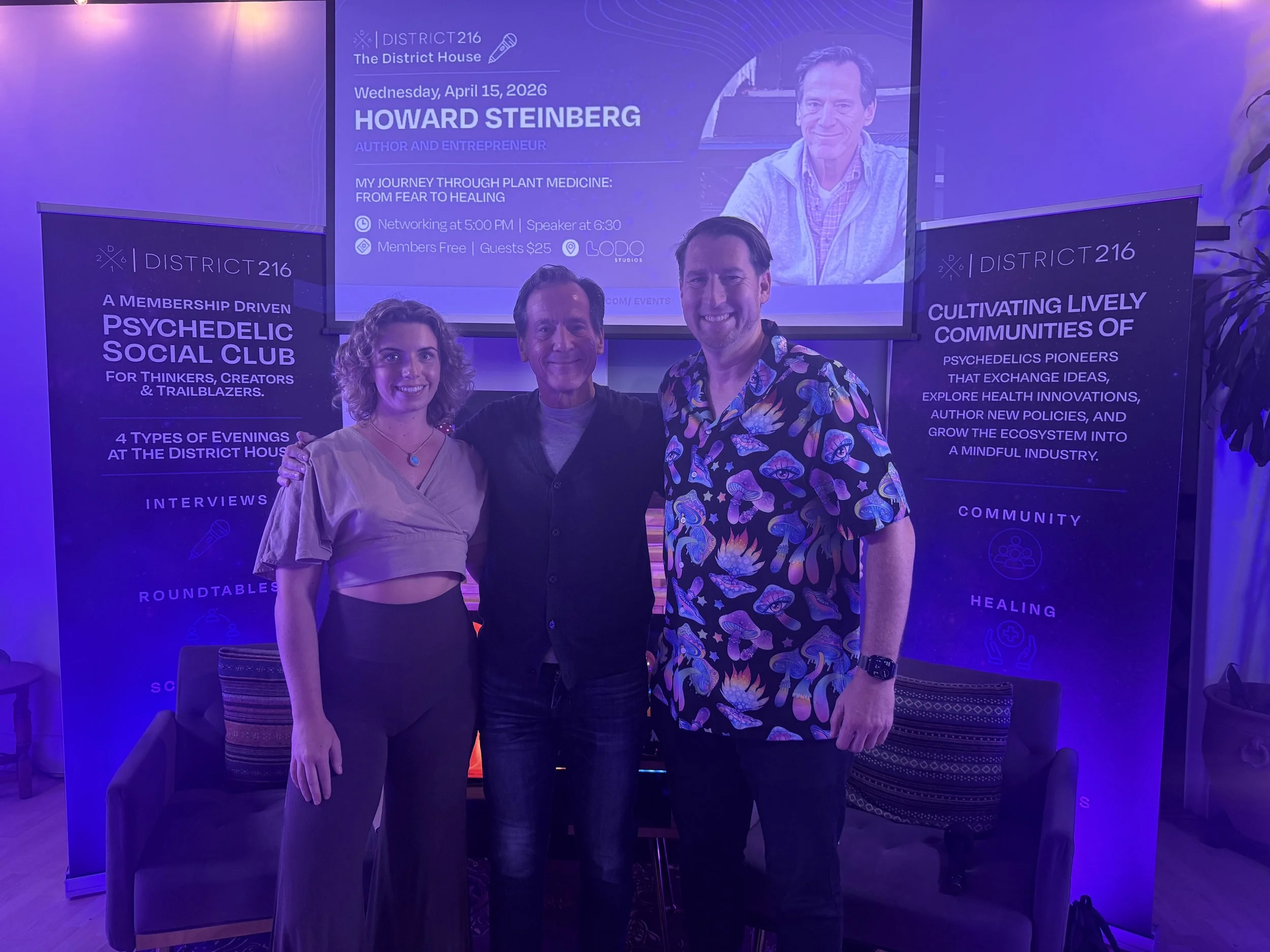
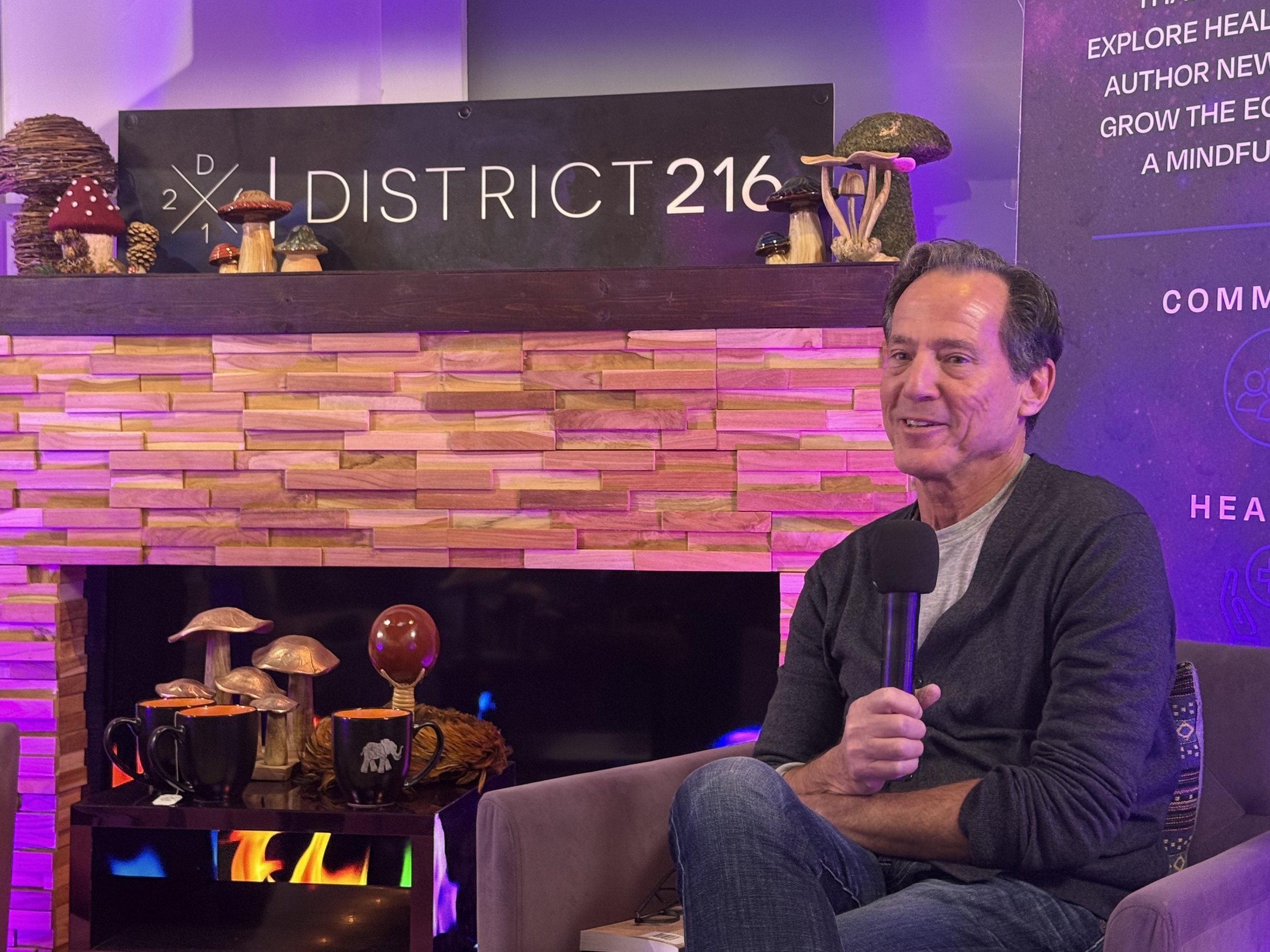
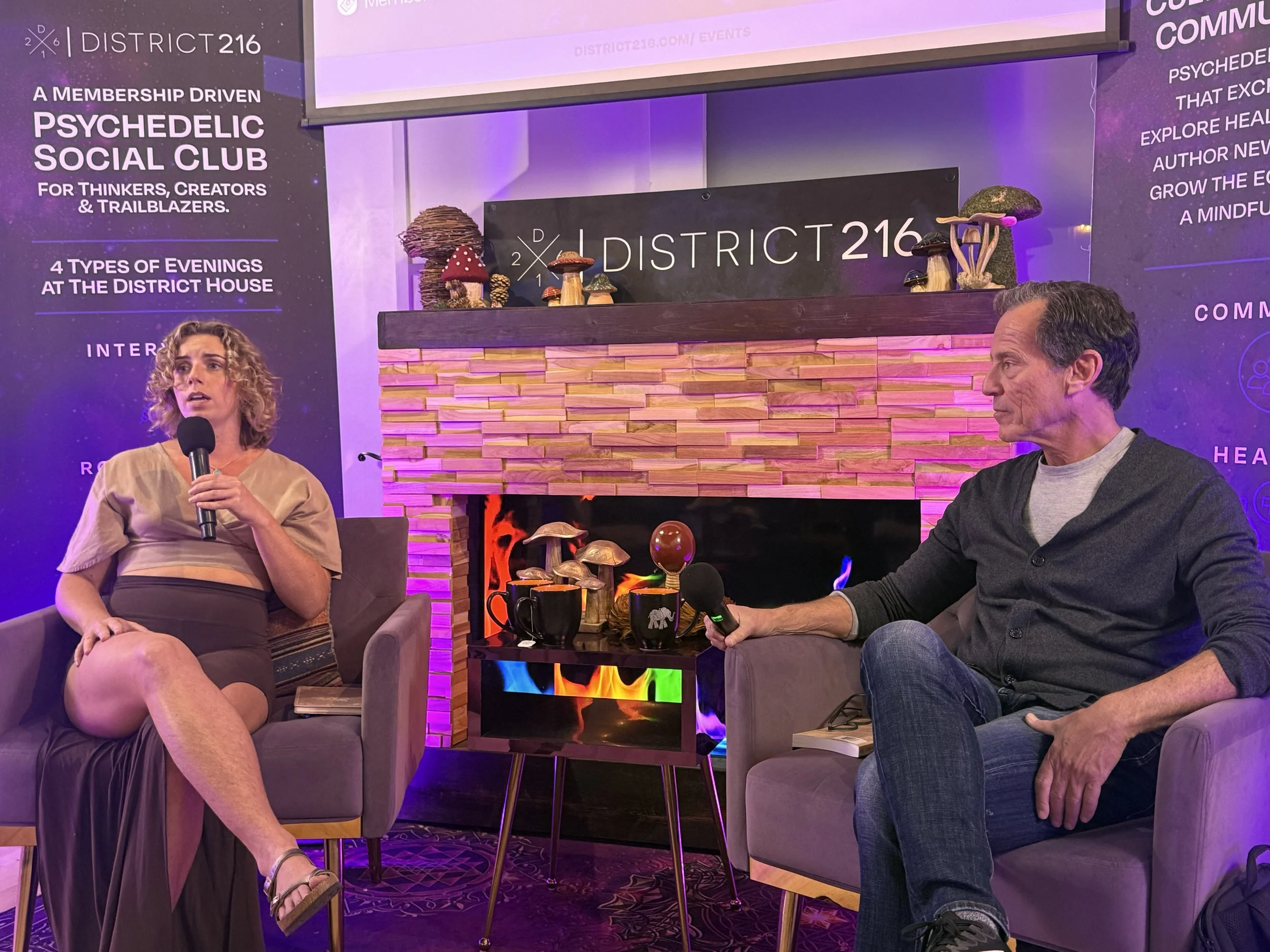
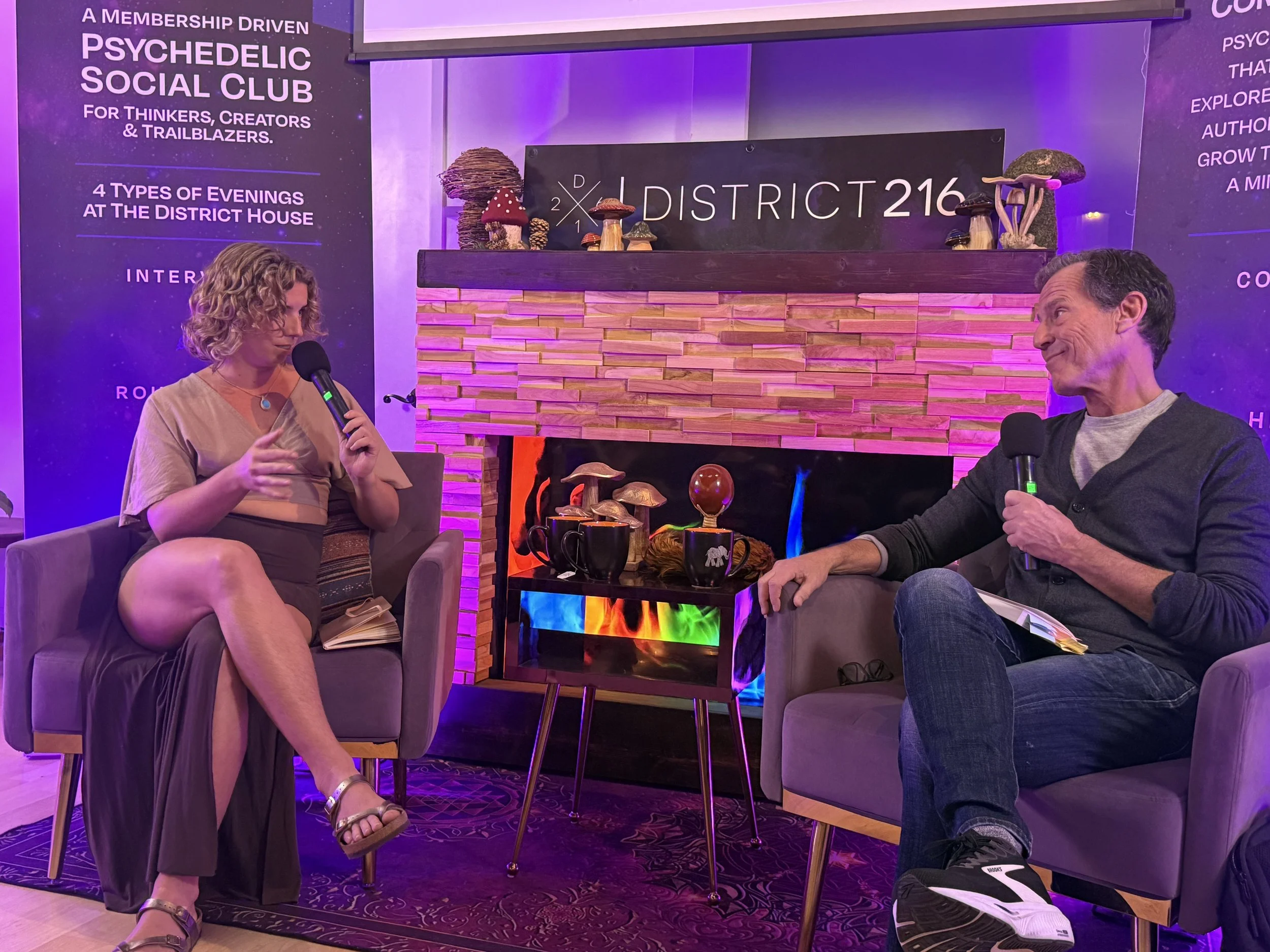
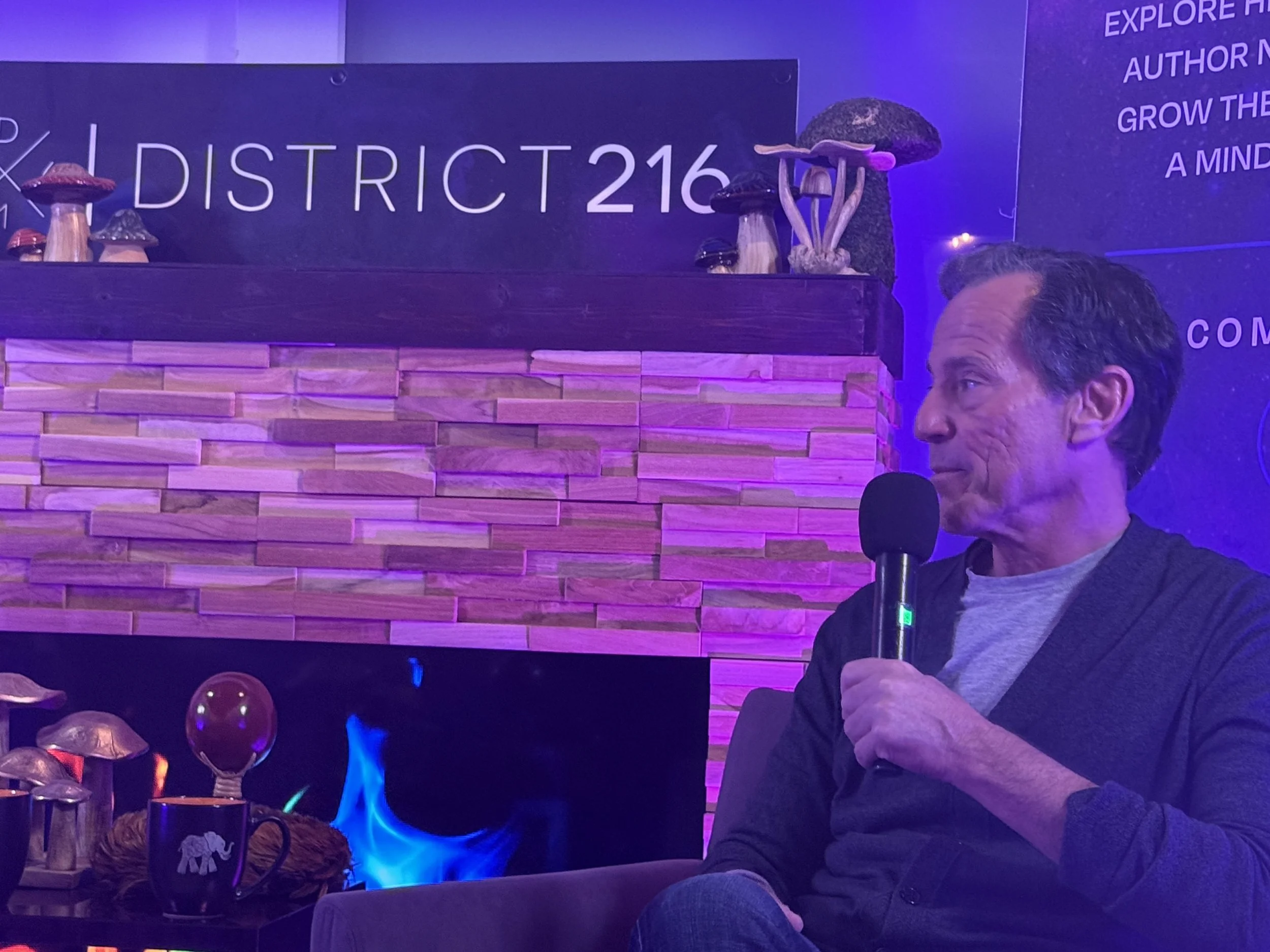
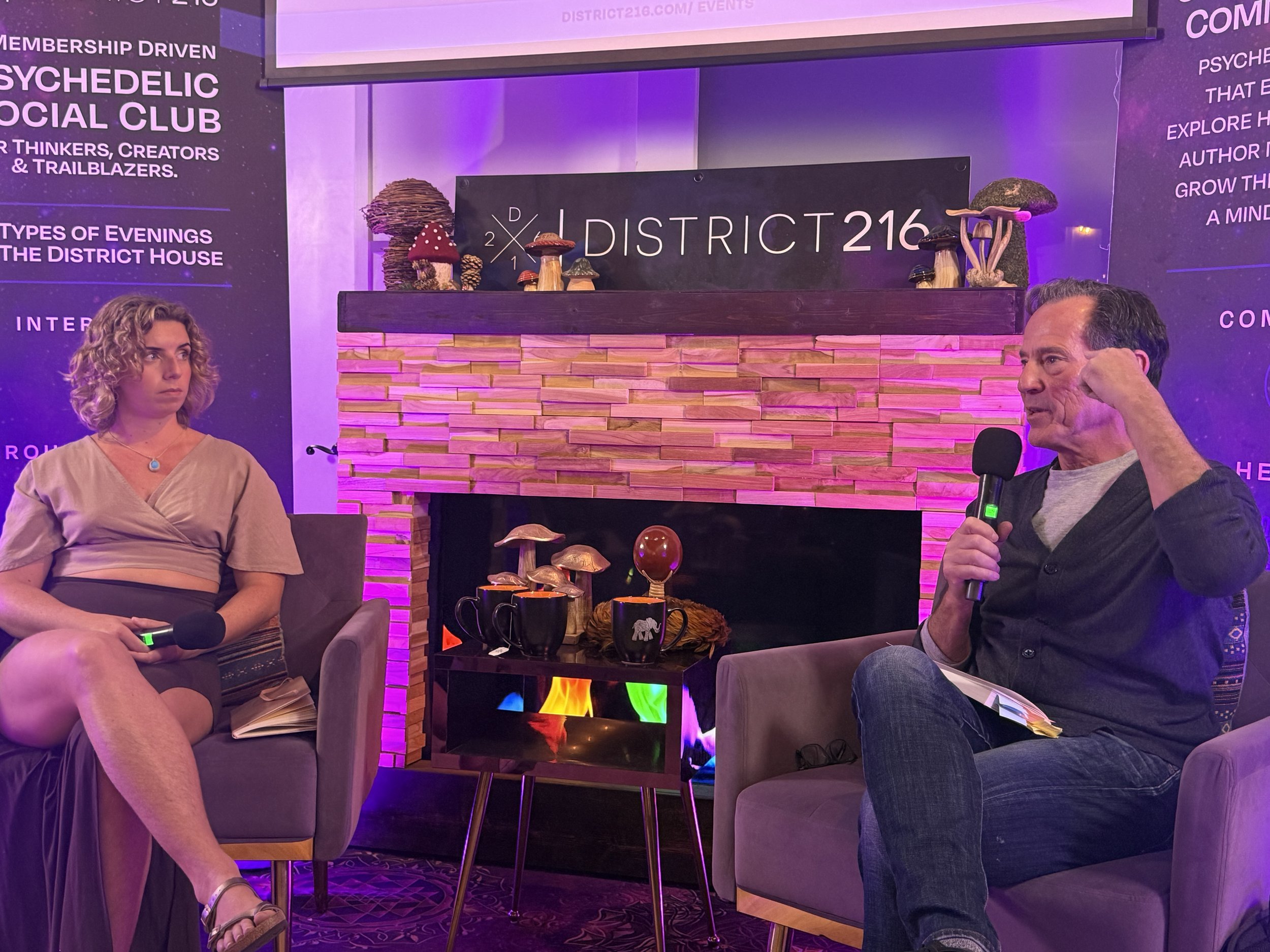
Howard showed up to our community last week and gave us something rare. Not a polished talk. A true account. The kind that makes the room go quiet because everyone in it recognizes something.
If his story is landing somewhere in you, that recognition is worth paying attention to. That's usually where the real work begins. 💜
Book: Confessions of a Problem Seeker: My Lifetime Journey From Busy Brain To Loving Heart Paperback